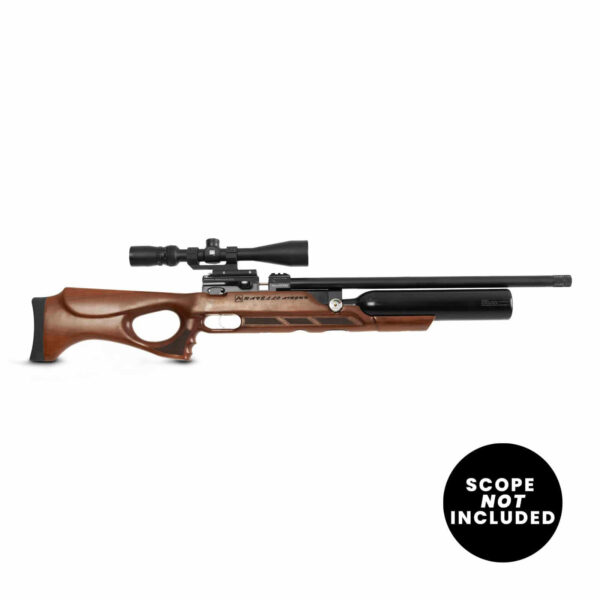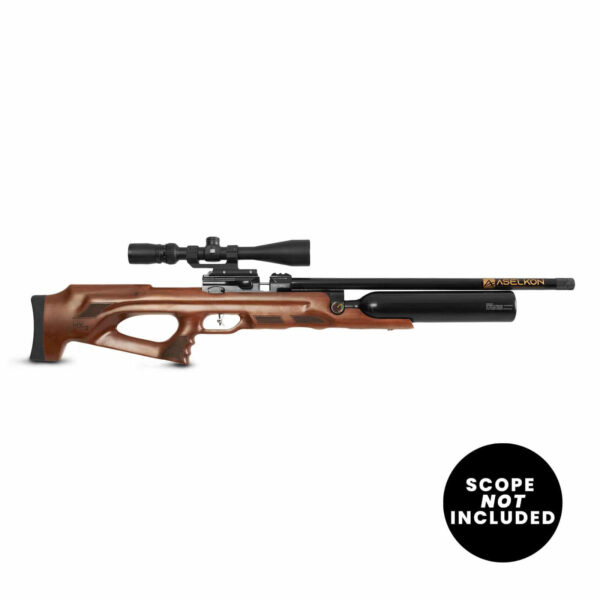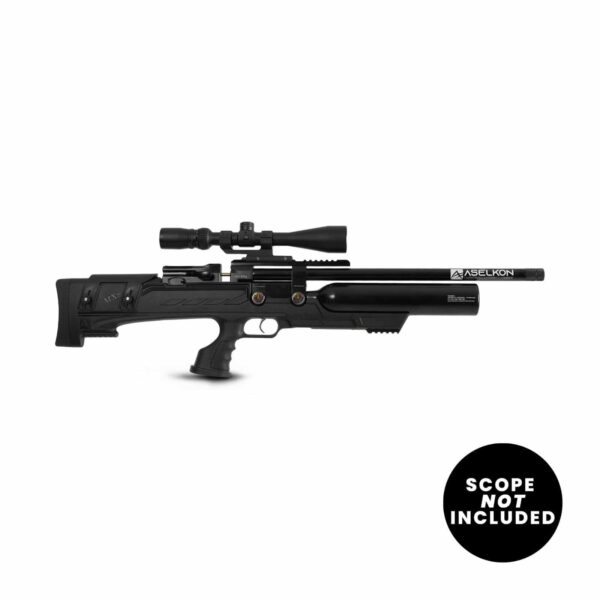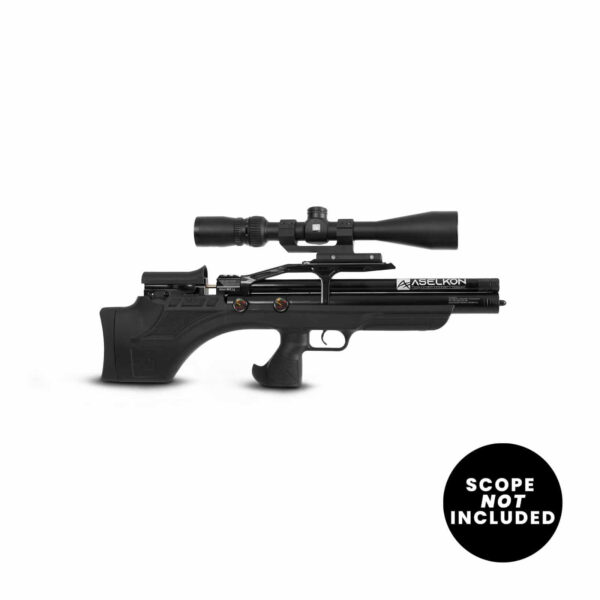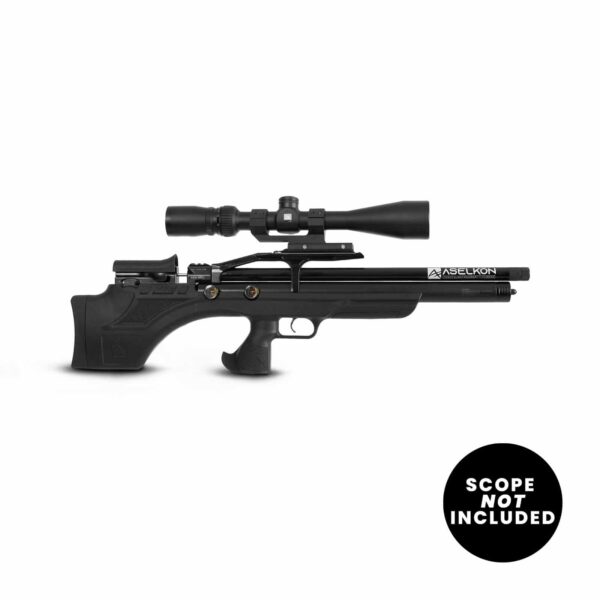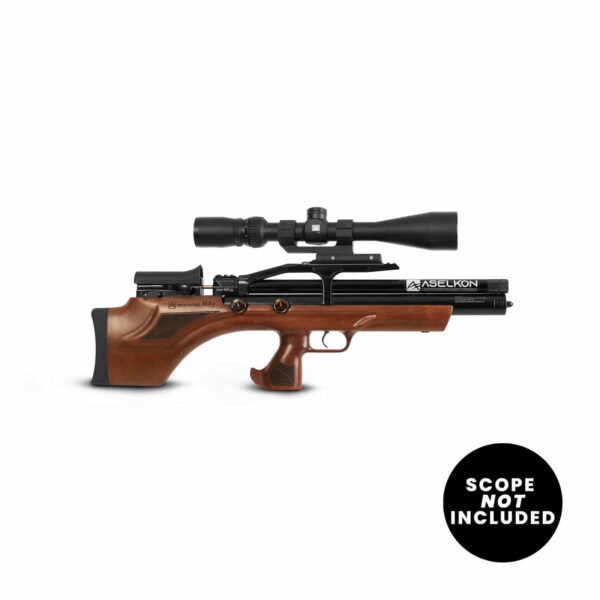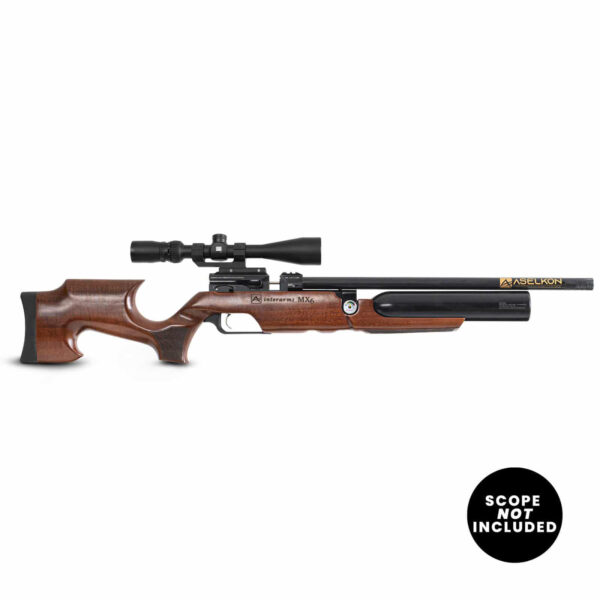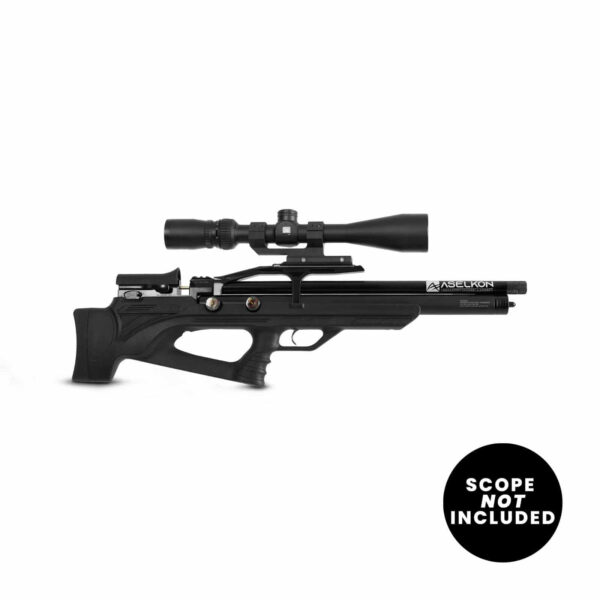
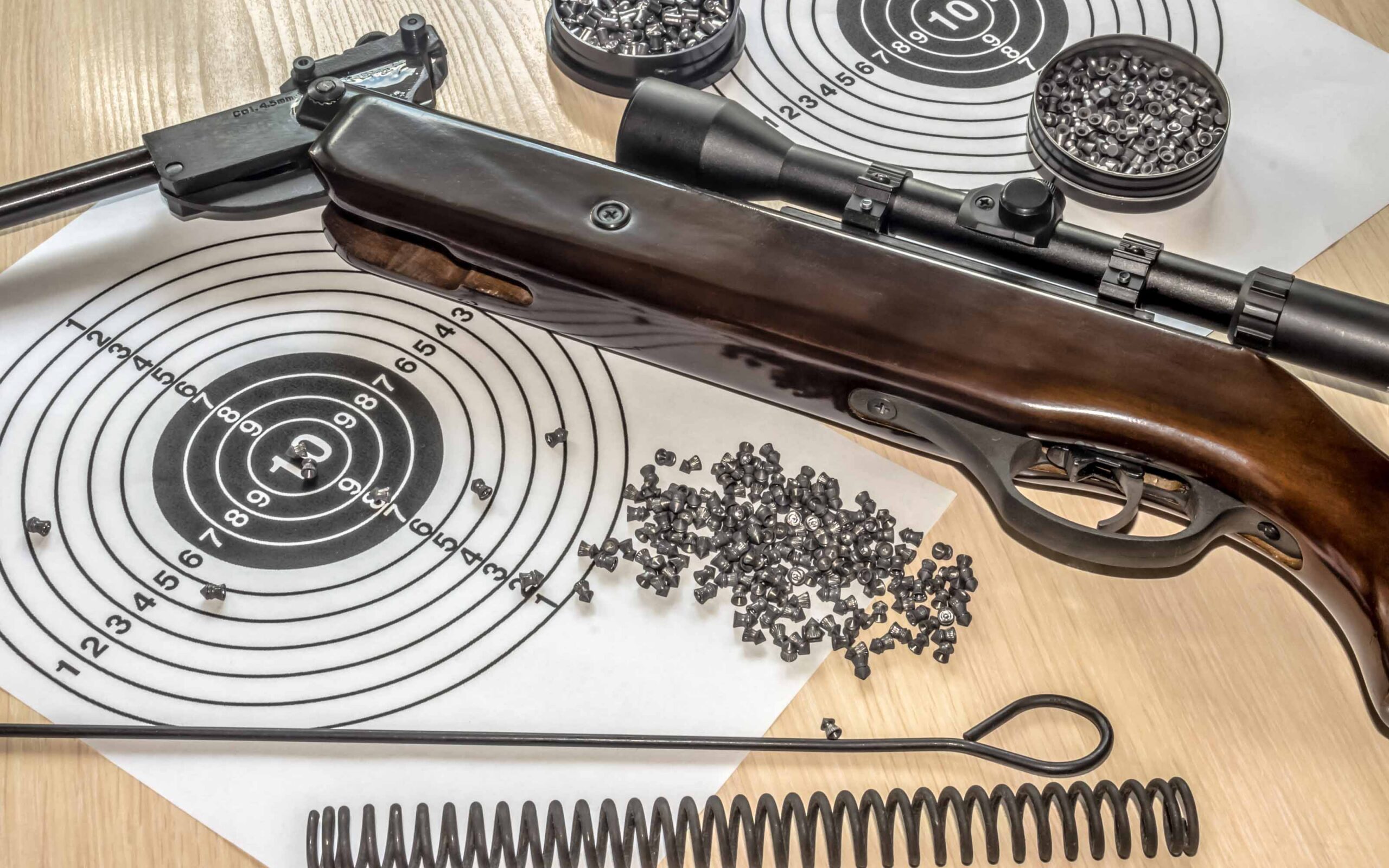
A PCP air rifle can typically fire dozens of shots from a single fill, but the exact PCP air rifle shot count depends on the rifle’s air reservoir, fill pressure, caliber, power level, regulator, and overall air efficiency. Some models may provide only a few dozen consistent shots, while more efficient or higher-capacity systems can deliver substantially more before needing to be refilled.
The number of shots you get from one fill is important because it affects how long you can shoot before stopping to recharge the rifle. Understanding what determines shot count can help you choose a PCP system that matches your shooting needs.
How Many Shots Can a PCP Air Rifle Fire on One Fill?
As of 2026, AirFire Tactical notes that many PCP air rifles provide around 20 to 60 consistent shots per fill, although some models can produce significantly more depending on their design and air capacity.
The most important point is that shot count is not determined by reservoir size alone. A rifle with a large reservoir may use more air per shot because it is designed for higher power, while a lower-powered rifle may produce more shots from a smaller reservoir.
Manufacturers may also advertise a maximum shot count that represents the number of shots available under specific testing conditions. The number of consistent, useful shots can be lower depending on the rifle’s pressure curve, regulator settings, caliber, pellet choice, and power level.
What Determines PCP Air Rifle Shot Count?
Several parts of a PCP system work together to determine how efficiently the stored air is used. The biggest factors are reservoir capacity, operating pressure, caliber, power output, and regulation.
Understanding these factors is more useful than looking at a single advertised shot-count number.
How Does Air Reservoir Size Affect Shot Count?
A larger air reservoir generally provides more available air, which can increase the number of shots between fills. However, reservoir volume does not automatically determine the final shot count.
For example, two PCP rifles can have similar reservoir sizes but produce different numbers of shots because they use different amounts of air with every trigger pull.
A rifle designed for higher power may consume more air per shot. A lower-powered rifle may use less air and therefore produce more shots from a similar amount of stored air.
This is why reservoir capacity should always be considered alongside the rifle’s power and efficiency.
Does Fill Pressure Affect How Many Shots You Get?
Yes. Fill pressure affects how much compressed air is available for the rifle to use, but the rifle must be filled according to the manufacturer’s specifications.
Many PCP rifles operate at pressures in the thousands of PSI. AirFire Tactical’s guide to PCP operation describes rifles being filled to around 3,000 PSI, although actual operating and maximum fill pressures vary by model.
A rifle designed for a higher fill pressure may have more usable air available, but shot count also depends on the rifle’s operating pressure, reservoir size, and air consumption.
Always use the pressure specified for your particular rifle and filling equipment.
Does Caliber Affect PCP Shot Count?
Yes. Caliber can have a significant effect on air consumption.
Larger-caliber PCP rifles often use more air per shot because they are typically configured to produce higher energy levels.
AirFire Tactical’s caliber guide notes that larger calibers require more air per shot and recommends considering larger air tanks and appropriate filling equipment when using higher-caliber PCP rifles.
This means a smaller-caliber PCP may provide more shots per fill than a higher-caliber rifle with a similar reservoir.
However, caliber is only one part of the equation. Power level and the rifle’s valve and regulator system also influence how much air each shot consumes.
Does Power Affect the Number of Shots Per Fill?
Yes. PCP rifles configured for higher power typically use more air per shot, which can reduce the number of shots available from a single fill.
A PCP rifle producing more energy may release more compressed air with each shot. That can reduce the total number of shots available from a single fill.
This creates an important trade-off. A shooter looking for maximum power may accept fewer shots per fill, while someone focused on target shooting may prefer a more efficient setup that provides greater shot-to-shot consistency and a longer shooting session.
AirFire Tactical’s tuning guidance also explains that excessive hammer energy can waste air, while proper tuning can help balance valve operation, regulator pressure, and efficiency.
How Does a Regulator Affect PCP Air Rifle Shot Count?
A regulator controls the pressure delivered to the firing system, helping maintain consistent operating conditions as reservoir pressure changes. AirFire Tactical notes that regulators can contribute to a more usable shot count while also improving velocity consistency.
A regulator does not create additional air. Instead, it helps control how the available air is delivered.
When the regulator and firing system are properly matched, controlled air delivery can help maintain consistent performance and avoid unnecessary air consumption.
What Is the Difference Between Advertised and Usable Shot Count?
Advertised shot count and usable shot count are not always the same.
A manufacturer may calculate a maximum shot count by measuring how many times the rifle can fire before the reservoir reaches a specified lower pressure. However, the rifle may not maintain the same velocity or point of impact throughout that entire pressure range.
For many shooters, the more useful measurement is the consistent shot count.
A consistent shot count refers to the portion of the fill during which the rifle continues to produce predictable velocity and accuracy. Once pressure falls outside the rifle’s optimal operating range, performance can begin to change.
This is particularly important for target shooters and anyone who needs repeatable performance from shot to shot.
How Can You Tell When a PCP Rifle Is Running Low on Air?
The pressure gauge is the simplest way to monitor the remaining air in a PCP rifle.
As the reservoir pressure decreases, the rifle may eventually move outside its optimal operating range. Depending on the rifle, you may notice changes in velocity, point of impact, or overall performance.
Some PCP systems are designed to maintain consistent performance over a defined pressure range. Others may show a more noticeable change as reservoir pressure drops.
The best reference is always the pressure range specified by the rifle’s manufacturer.
If you notice a sudden or unusual loss of pressure, that is different from normal shot consumption. AirFire Tactical’s troubleshooting guidance identifies damaged O-rings, valve problems, loose fittings, and other issues as possible causes of unexpected pressure loss.
How Can You Get More Consistent Shots From a PCP Air Rifle?
The goal should not simply be to maximize the number of shots. A better goal is to get the greatest number of consistent and useful shots from each fill.
A few factors can help:
- Stay within the manufacturer’s recommended fill pressure. Overfilling a PCP rifle can be unsafe and can also move the system outside its intended operating range.
- Use the correct caliber and ammunition. Pellet selection can affect how efficiently the rifle converts compressed air into projectile velocity.
- Maintain the rifle properly. Seals, valves, and other components need to remain in good condition for reliable air retention and consistent performance.
- Understand the rifle’s pressure curve. Knowing where the rifle produces its most consistent shots makes it easier to determine when a refill is actually needed.
- Keep the regulator properly tuned when applicable. A regulator that is correctly matched to the rifle can help maintain consistent pressure and reduce unnecessary air use.
Does a Larger PCP Reservoir Always Mean More Shots?
No. A larger reservoir can provide more available air, but it does not guarantee a higher shot count.
Shot count depends on how much air the rifle consumes with every shot. A powerful PCP rifle with a large reservoir can use considerably more air per shot than a lower-powered rifle with a smaller reservoir.
The most useful way to compare PCP rifles is to consider reservoir capacity alongside the rifle’s operating pressure, power, and rated shot count.
This gives you a much better idea of what the rifle can actually provide during a shooting session.
How Should You Choose a PCP Rifle Based on Shot Count?
Think about how you plan to use the rifle rather than choosing the model with the highest advertised number.
For short target sessions, a rifle with a moderate shot count may be perfectly adequate. For longer shooting sessions, a larger reservoir or more efficient system can reduce how often you need to refill.
Your intended caliber and power level also matter. A higher-caliber, higher-power PCP may use more air, but that may be an intentional trade-off based on the rifle’s intended application.
The right setup is the one that provides enough consistent shots for your typical session while delivering the accuracy and performance you expect.
Frequently Asked Questions
How many shots does a PCP air rifle get per fill?
The number varies by model, but AirFire Tactical notes that many PCP rifles provide around 20 to 60 consistent shots per fill. Some rifles can provide substantially more depending on reservoir capacity, pressure, caliber, power, and efficiency.
What gives a PCP air rifle more shots per fill?
A larger air reservoir can increase available shots, but efficiency is also important. Regulator design, power level, caliber, valve operation, and proper tuning all affect how much air the rifle uses per shot.
Does a higher PSI fill give more shots?
A higher fill pressure can provide more usable air when the rifle is specifically designed for that pressure. However, you should never exceed the manufacturer’s recommended fill pressure.
Does a larger caliber reduce PCP shot count?
It can. Larger calibers generally require more air per shot, which can reduce the number of shots available from a given reservoir.
How do I know when my PCP air rifle needs to be refilled?
Monitor the rifle’s pressure gauge and follow the manufacturer’s recommended operating range. If velocity or accuracy begins changing as pressure drops, the rifle may have moved outside its most consistent pressure range.
Get More From Every PCP Air Rifle Fill
Understanding PCP air rifle shot count makes it easier to choose the right rifle and plan your shooting sessions. The number printed in a product specification is only part of the story. The rifle’s reservoir, operating pressure, power level, and overall efficiency all influence how many consistent shots you can expect.
If you are comparing PCP rifles, focus on the number of useful, consistent shots rather than simply choosing the model with the largest advertised capacity. A properly matched rifle and filling setup can give you a more predictable shooting experience and help you spend more time shooting between refills.
Have questions about choosing a PCP air rifle or finding the right setup for your needs? Contact us to learn more about our products and get help finding the right option for your shooting goals.