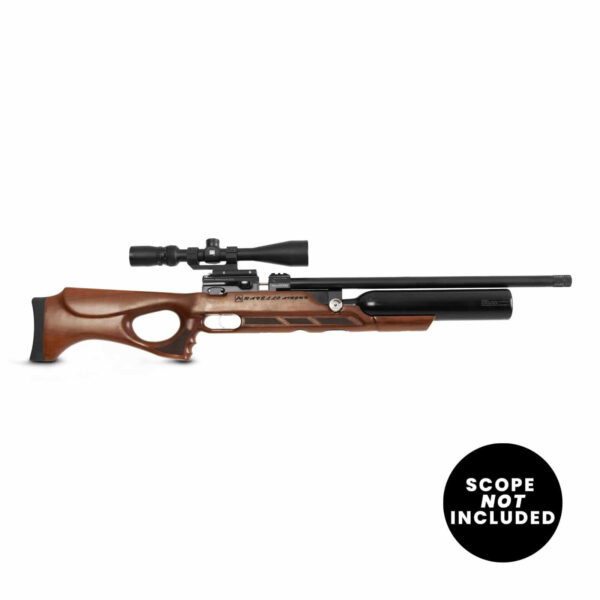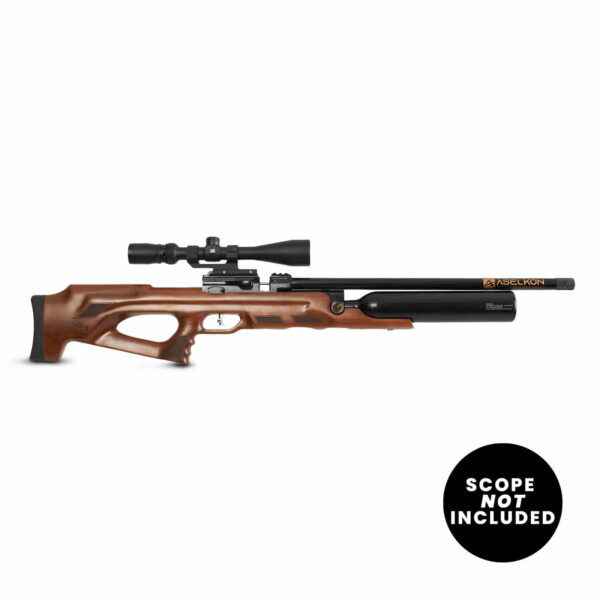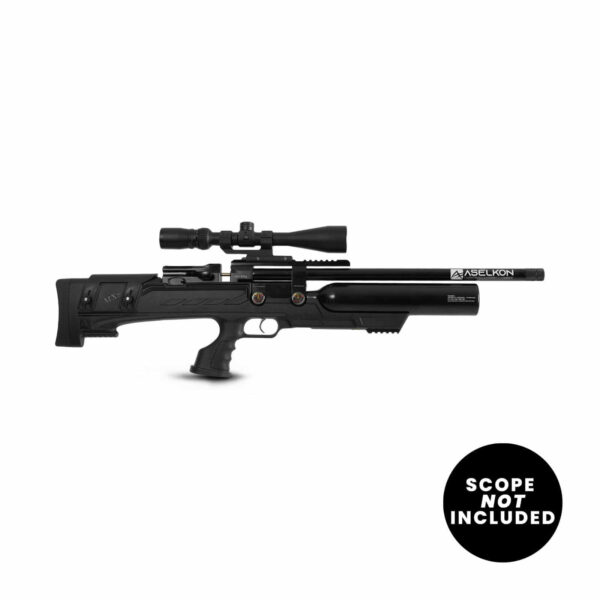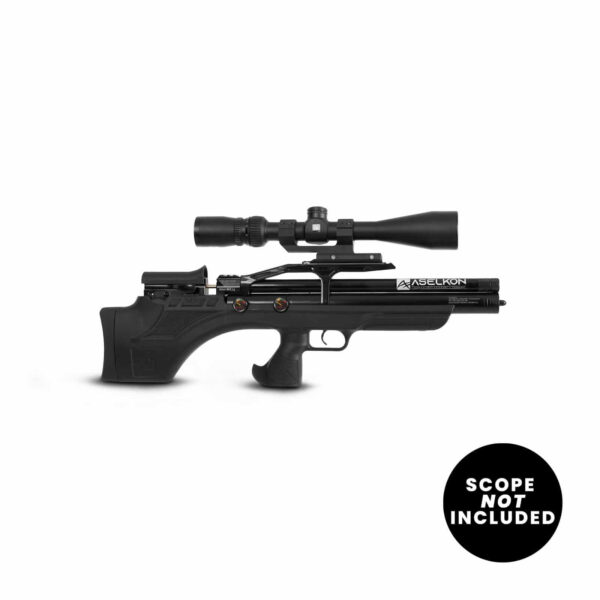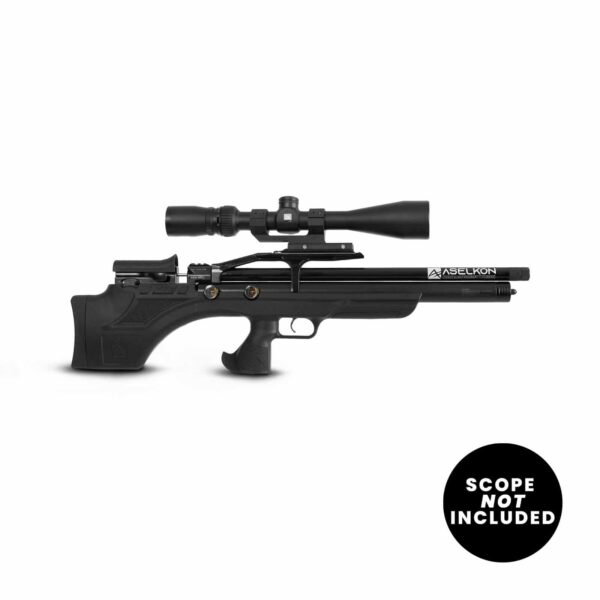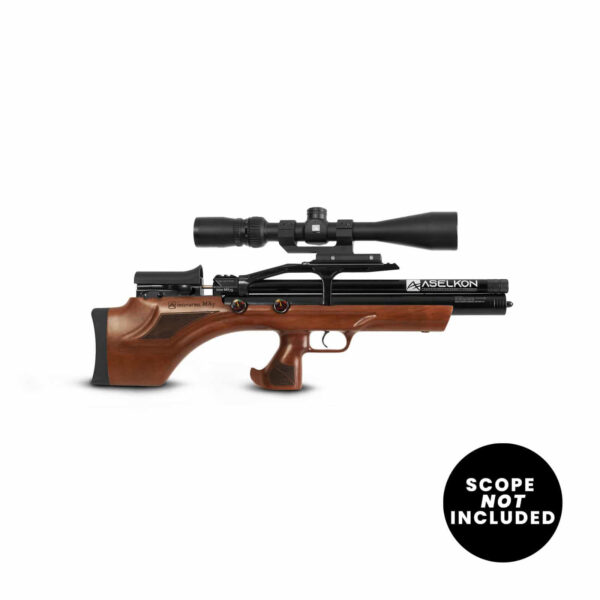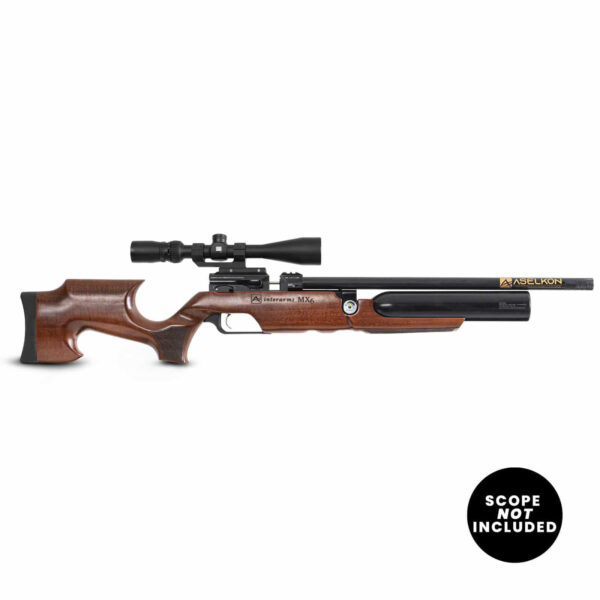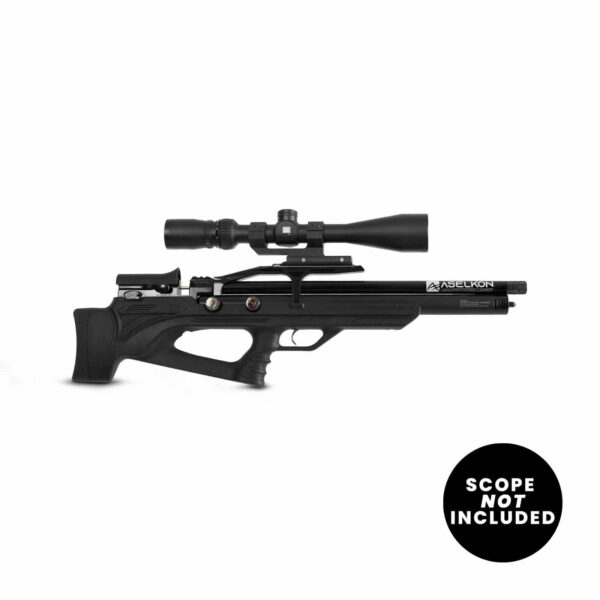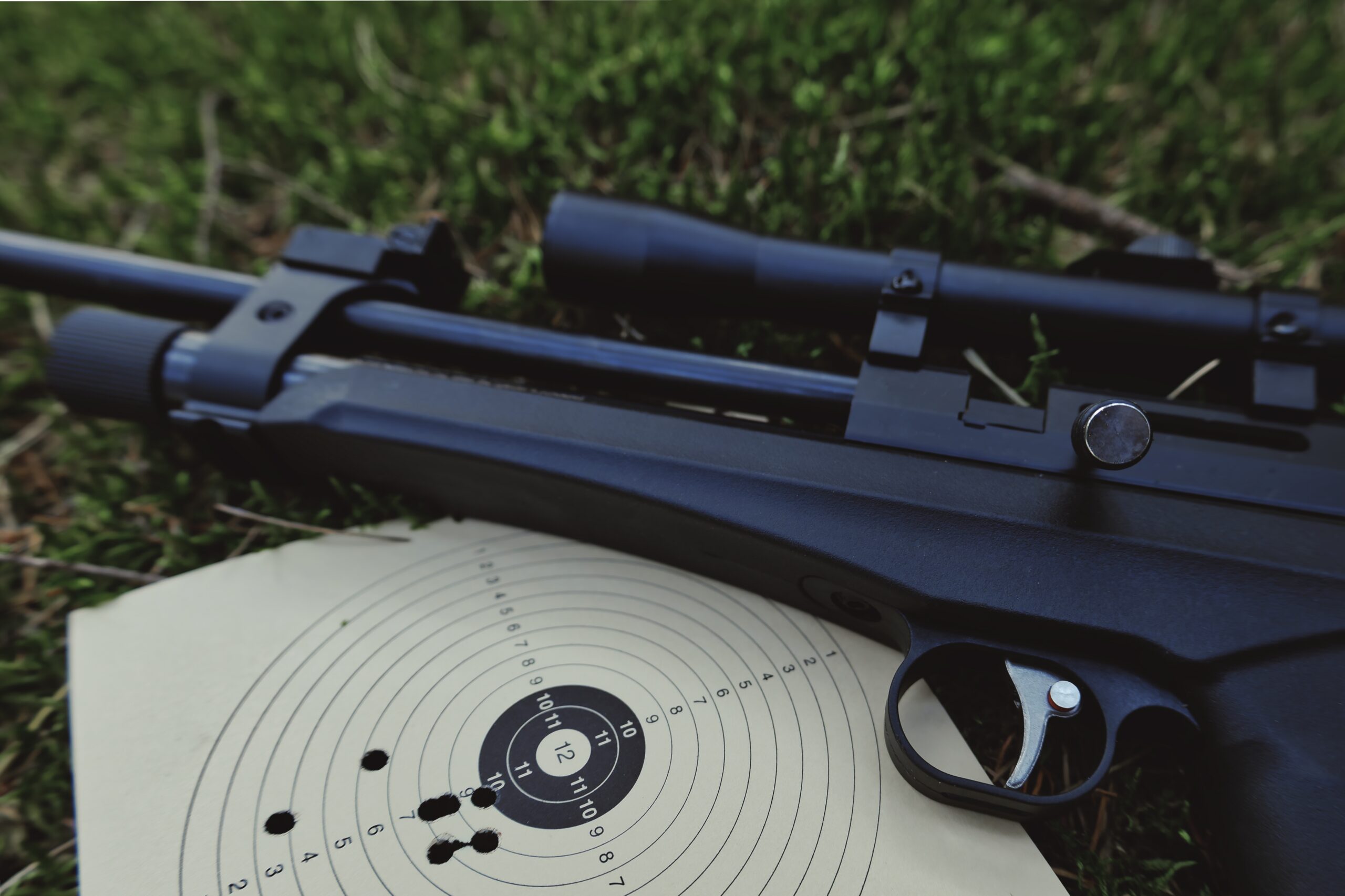
Choosing the right PCP air rifle for field target competition starts with comparing accuracy, shot consistency, stock fit, optics, and the rules of your intended competition. The best rifle is one that fits your shooting style, performs reliably, and meets the requirements of your competition class.
Field target is a precision shooting sport in which competitors engage metal targets placed at different distances and shooting positions. Choosing suitable equipment involves more than selecting a rifle with impressive specifications. Shooters should consider how the rifle handles during a match, whether its features are permitted, and how easily they can maintain consistent performance.
Understanding how the rifle operates can help you compare equipment more effectively. Read our guide to how PCP air rifles work to learn more about the compressed-air system behind these rifles.
Quick Answers About Choosing a Field Target PCP Rifle
- What is the most important feature of a field target PCP rifle? Consistent accuracy, dependable operation, and a comfortable fit are key considerations.
- What should you look for in a competition rifle stock? Look for a stock that supports a repeatable shooting position and offers useful adjustments where permitted.
- Do you need a special scope for field target? Choose optics that provide clear target images and suit your competition rules, experience, and budget.
- Is a more powerful PCP rifle always better? No. The rifle must comply with the muzzle energy limits for your competition class.
- What should you check before buying? Review the rules, rifle consistency, stock fit, optics compatibility, filling requirements, maintenance needs, and total cost.
What Makes a PCP Air Rifle Suitable for Field Target Competition?
A suitable PCP air rifle combines repeatable performance with features that help the shooter maintain a comfortable, stable position. When comparing field target air rifle features, evaluate the complete setup rather than judging a rifle by one specification.
Consider these factors before making your selection:
- Accuracy and consistency: The rifle should deliver repeatable results when used with suitable ammunition.
- Stock design: The stock should fit your body and support the shooting positions required by your competition.
- Optics compatibility: The rifle should accommodate a suitable scope and compatible mounting hardware.
- Air supply: The reservoir and filling requirements should fit your practice routine and available equipment.
- Adjustability: Adjustable components can help establish a comfortable fit, provided they comply with the rules.
- Reliability and serviceability: Straightforward maintenance and access to qualified service can help keep the rifle in good working condition.
No single feature guarantees a competitive result. The rifle, ammunition, optics, equipment setup, and shooter’s technique all contribute to performance.
Which Competition Rules Should You Check Before Buying?
A practical field target PCP rifle selection process begins with checking the current rules for your intended competition. Field target organizations may use different classes, equipment restrictions, and power limits, so a setup permitted in one event may not qualify for another.
Review these requirements:
Muzzle energy limits: Confirm the maximum permitted muzzle energy for your class and the method used to check compliance.
Rifle eligibility: Verify that your rifle type is allowed in the division you intend to enter.
Stock and accessory restrictions: Check the rules for adjustable stocks, butt hooks, slings, and other equipment.
Optics and sighting systems: Review restrictions on magnification, range-finding equipment, or other sighting accessories.
Equipment inspection: Find out whether officials check muzzle energy, rifle configuration, or other equipment requirements before or during a match.
For example, the American Airgun Field Target Association’s 2026 official rules specify equipment requirements for different competition divisions. The World Field Target Federation’s published rules set a 12 ft-lb (16.3 joule) muzzle energy limit for its international field target format. These requirements are format-specific, not universal limits for every competition. Before buying a rifle, review the current rules for your intended class and confirm the permitted muzzle energy and equipment configuration.
How Important Are Accuracy and Shot Consistency?
Accuracy and shot consistency are essential considerations when choosing a PCP air rifle for field target competition. A rifle should perform predictably during practice, and its results should remain consistent when the equipment is used and maintained according to the manufacturer’s instructions.
When comparing rifles, consider the following:
Repeatable accuracy: Evaluate results across multiple practice sessions rather than relying on a single promising group.
Ammunition compatibility: Different rifles may perform differently with different suitable pellet types. Follow the manufacturer’s recommendations and evaluate compatibility under safe range conditions.
Trigger characteristics: A predictable, manageable trigger can help a shooter maintain control without unnecessarily disturbing the rifle’s aim.
Mechanical reliability: Consider whether the rifle operates dependably and whether its maintenance requirements are practical for you.
Consistency during a session: Look for repeatable performance throughout normal practice, not just during the first few shots.
Avoid assuming that a particular rifle will produce identical results with every pellet or under every condition. Test your chosen setup responsibly and keep the rifle within its rated specifications.
For more information about the factors that influence repeatable accuracy, read our guide to improving PCP air rifle shot consistency, which covers pressure consistency, pellet selection, and other performance considerations.
What Stock Features Help With Field Target Shooting Positions?
Stock fit is important because field target courses can require competitors to shoot from different positions. A rifle that feels comfortable in one position may feel less stable in another.
Look for a stock that offers:
- Comfortable cheek support: A consistent cheek position helps you establish a repeatable sight picture.
- Suitable length of pull: The distance between the trigger and buttstock should accommodate your body and shooting position.
- A comfortable grip: The grip should allow a secure, repeatable hold without unnecessary tension.
- Useful adjustability: Adjustable cheekpieces and buttplates can help improve fit when permitted by the rules.
- Manageable balance: The rifle should feel controllable as you transition between the positions allowed in your event.
If possible, handle a rifle before buying it. A comfortable fit can be more valuable than paying extra for adjustments you do not need or cannot use in your competition class.
How Should You Choose a Scope for a Field Target PCP Rifle?
A suitable scope should provide a clear view of the targets and allow you to aim consistently under the conditions encountered in your competition. The best choice depends on the event rules, your vision, your experience, and your budget.
Compare these optical features:
Magnification: Choose a useful magnification range for the target distances and sizes in your event. Maximum magnification alone does not determine scope quality.
Image clarity: Clear optics can make it easier to distinguish target details in different lighting conditions.
Adjustment repeatability: Reliable adjustments help you return to established settings when needed.
Reticle design: Choose a reticle that you can understand and use comfortably.
Mounting compatibility: Check that the scope, mounting hardware, and rifle rail are compatible.
Weight and balance: A heavier scope can change the way the rifle handles in different shooting positions.
Also verify whether your competition class restricts particular sighting systems or accessories. Selecting optics that comply with the rules from the beginning can help you avoid unnecessary replacement costs.
How Do Air Supply and Maintenance Affect Rifle Selection?
A PCP rifle uses compressed air, so filling equipment and routine maintenance should be part of your purchase decision. Before choosing a rifle, review the manufacturer’s specifications for reservoir capacity, required fill pressure, and approved filling methods.
If you are comparing filling methods, our guide to PCP air tank filling options explains the differences between hand pumps, electric compressors, and air tanks.
Consider these practical factors:
- Filling equipment: Make sure you can access a compatible air supply rated for the rifle’s required pressure.
- Filling convenience: Consider whether your setup can support your usual practice schedule.
- Pressure monitoring: Learn how to check the rifle’s air pressure according to its manual.
- Maintenance requirements: Review the manufacturer’s procedures for cleaning, seals, lubrication, and servicing.
- Parts and service availability: Check whether replacement parts and qualified technicians are accessible.
- Safe handling and storage: Follow the manufacturer’s guidance and applicable local laws.
Never exceed the rifle’s rated fill pressure or use incompatible filling equipment. A practical air supply and maintenance plan can make regular practice easier and help you identify equipment problems before they interrupt a session.
How Much Should You Spend on a Field Target PCP Rifle?
Set your budget for the complete setup rather than the rifle alone. Your total cost may include a scope, mounting hardware, suitable air-filling equipment, pellets, maintenance supplies, and accessories permitted by your competition.
Compare rifles based on their suitability for your intended class, consistency, ergonomics, reliability, and available support. A higher price does not automatically mean a rifle is the right choice for your needs.
If you are new to field target, consider attending a club session or speaking with experienced competitors before making a purchase. Where possible, try a comparable setup to understand how the stock, scope, and overall balance feel in the shooting positions used in your event.
Choose equipment you can operate comfortably, maintain responsibly, and practice with regularly.
What Should You Check Before Making Your Final Selection?
Before purchasing your PCP air rifle, use this checklist to compare shortlisted options:
- The rifle complies with the current rules for your intended competition class.
- Its accuracy and consistency meet your expectations.
- The stock fits your body and supports the required shooting positions.
- The scope and mounting hardware are compatible.
- You have access to a suitable, approved air-filling system.
- The manufacturer’s maintenance instructions are clear.
- Replacement parts and qualified service are available.
- The complete setup fits your budget.
- You understand the safe handling, filling, and storage requirements.
Whenever possible, evaluate the rifle as a complete setup. A comfortable, compliant, and dependable rifle is a better starting point than a purchase based on a single advertised specification.
Frequently Asked Questions
What is the best PCP air rifle for field target competition?
There is no single best rifle for every competitor. The right choice depends on the competition rules, the rifle’s consistency, stock fit, optics, and the shooter’s experience and preferences.
Is a more powerful PCP air rifle always better for field target?
No. Competition classes can have specific muzzle energy limits. A rifle that exceeds the permitted limit may be disqualified, so check the current rules before buying or competing.
Do I need an adjustable stock for field target?
An adjustable stock can help you establish a repeatable fit, but it is not essential for every shooter. Consider your shooting positions, comfort, and the restrictions that apply to your competition class.
Should I buy a PCP rifle and scope together?
A package can simplify compatibility, but compare the quality and suitability of each component. Confirm that the scope and mounting hardware meet your needs and comply with the competition rules.
What should beginners prioritize when choosing a field target PCP rifle?
Beginners should prioritize rule compliance, consistent performance, comfortable stock fit, practical maintenance, and access to suitable filling equipment. A setup that is comfortable to use and supports regular practice is a sensible starting point.
Conclusion
Choosing the right PCP air rifle for field target competition means selecting a rifle that meets your competition rules and suits your shooting position, experience, and budget. Prioritize dependable accuracy and a comfortable fit instead of choosing based on price or power alone.
Before buying, verify the current rules, compare complete setups, and try a suitable rifle if possible. A well-matched setup provides a practical foundation for developing your field target skills.