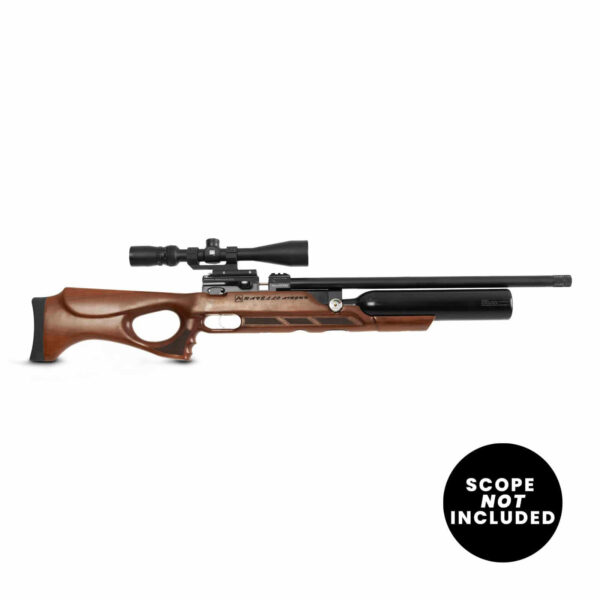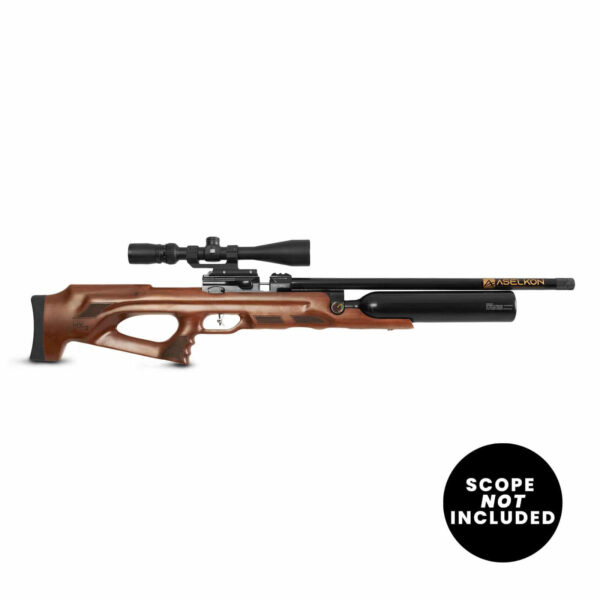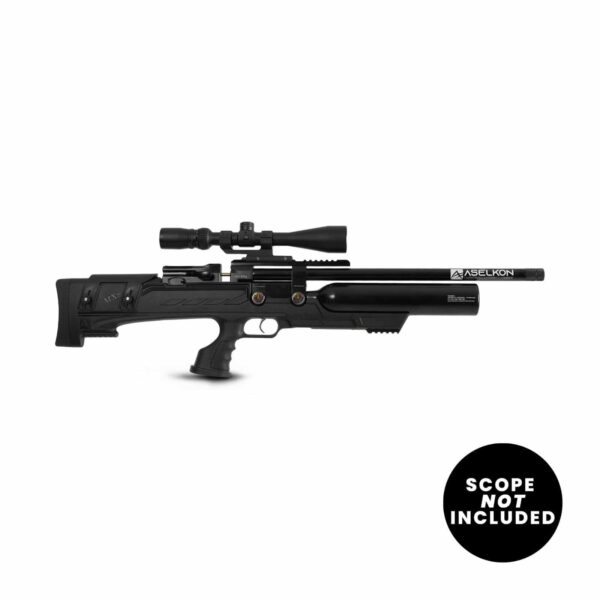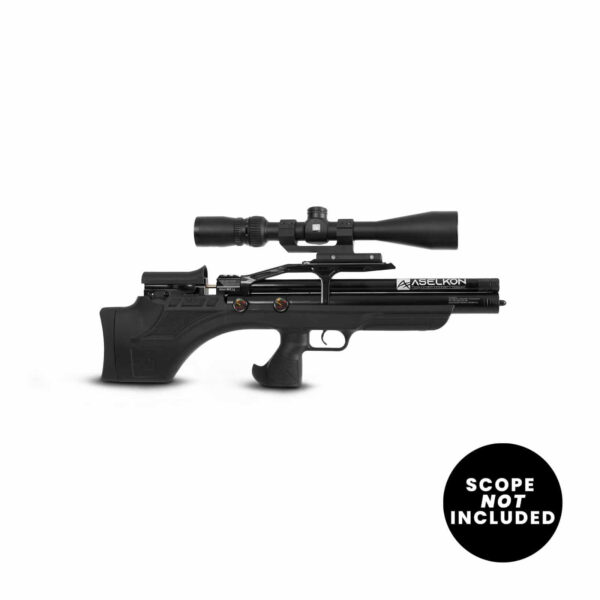
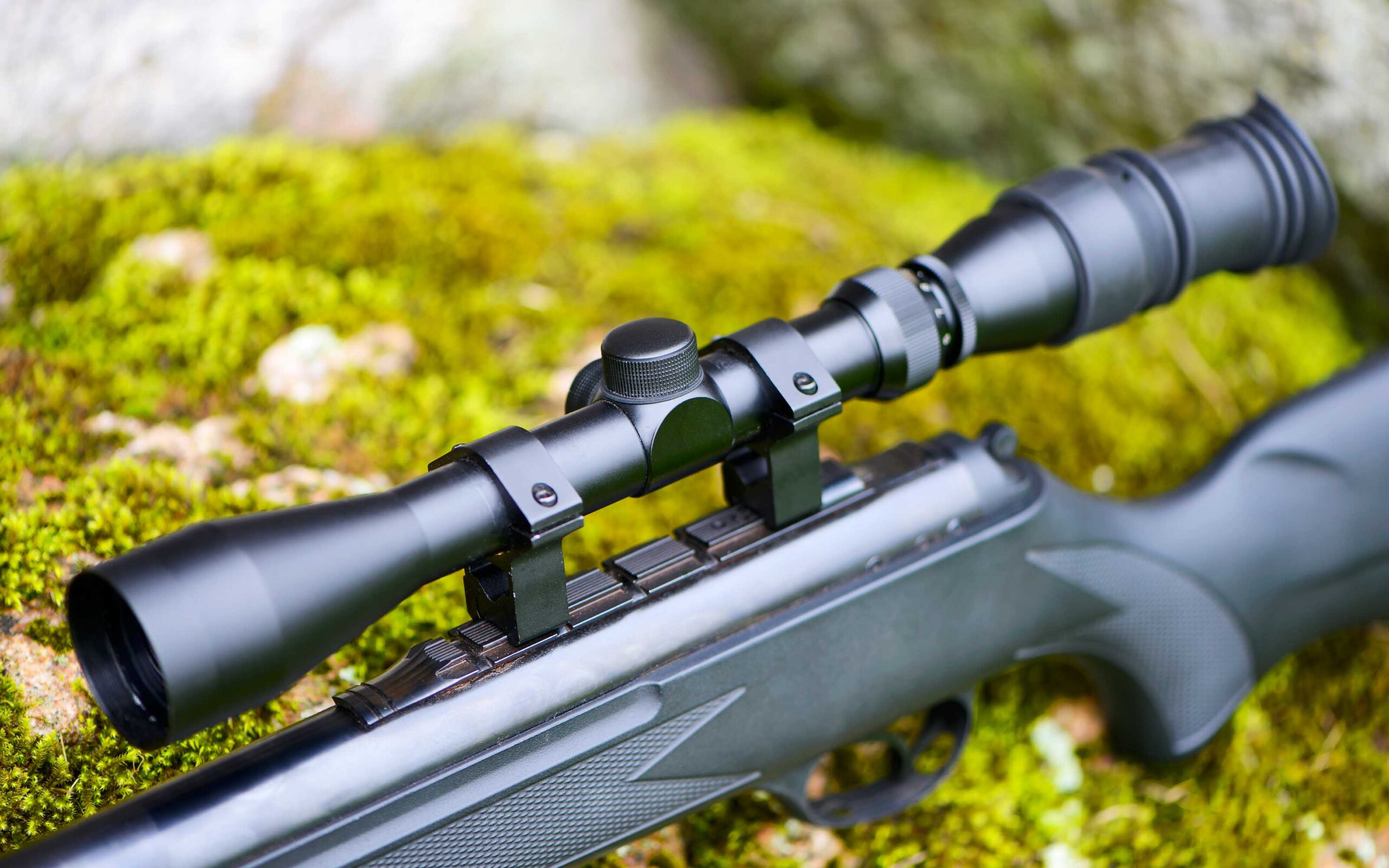
Choosing your first pre-charged pneumatic, or PCP, air rifle can feel overwhelming.
However, once you understand the basics, the process becomes much easier.
In this guide, you will learn each step so you can confidently choose a PCP air rifle that fits your needs, budget, and shooting goals, while also highlighting models available from AirFire Tactical.
What Is a PCP Air Rifle and Why Should Beginners Consider It?
A PCP air rifle uses compressed air stored in a high-pressure cylinder to fire pellets with consistent force. Compared to spring or CO2 airguns, PCP rifles offer smoother shooting, better accuracy, and higher power potential. As a result, they are often preferred by beginners and experienced shooters alike.
For beginners, this means the following advantages:
- Minimal recoil, which improves control
- Consistent shot placement
- Flexibility for both target shooting and hunting
If you want precision and long-term versatility, a PCP air rifle is one of the best starting platforms.
Step 1: What Will You Use Your PCP Air Rifle For?
Start by identifying your main purpose.
Because of this, your intended use will determine the ideal setup.
Target shooting
- Prioritize accuracy and lower power
- Lighter rifles are easier to handle
Small game hunting
- Requires more power and larger calibers
- Look for higher FPS and energy output
Pest control
- Needs a balance of precision and stopping power
Beginner insight: If you are unsure, choose a versatile rifle that performs well in both target shooting and light hunting scenarios.
Step 2: Which Caliber Should You Choose?
Caliber plays a major role in performance.
In general, each caliber serves a different purpose.
.177 caliber
- Best for accuracy and target shooting
- Lower air consumption
- More affordable pellets
.22 caliber
- Strong balance between power and precision
- Ideal for beginners
- Suitable for small game
.25 caliber
- Higher impact for hunting
- Fewer shots per fill
- More advanced use
Best starting point: Most first-time buyers should choose .22 caliber for its versatility and ease of use.
Step 3: How Much Power Do You Actually Need?
Power is measured in feet per second, or FPS.
However, higher power does not always mean better performance.
- 600 to 800 FPS, ideal for target shooting
- 800 to 1,000 FPS, versatile for mixed use
- 1,000+ FPS, designed for hunting and high-impact shooting
Important: More power is not always better. Beginners benefit more from control and consistency than maximum velocity.
Step 4: What Air System Will You Use?
PCP rifles require a way to fill the air cylinder.
Because of this, choosing the right filling method is essential.
Hand pump
- Affordable entry option
- Requires physical effort
Air tank
- Faster fills
- Needs refilling at dive shops or refill stations
Electric compressor
- Most convenient long-term solution
- Higher upfront investment
Beginner tip: Start with a hand pump if you are on a budget, then upgrade later as your usage increases.
Step 5: What Features Should You Look For?
Modern PCP rifles include features that improve performance and usability.
For example, certain upgrades can enhance accuracy and ease of use.
Key features to consider:
- Magazine-fed system, faster follow-up shots
- Adjustable stock, better comfort, and control
- Integrated rail, for scopes and accessories
- An air pressure gauge helps monitor fills
- Regulator improves shot consistency
These features make a noticeable difference, especially for beginners learning proper shooting technique.
Step 6: Beginner-Friendly PCP Air Rifles Available at AirFire Tactical
Choosing your first PCP air rifle comes down to understanding your needs…
Ultimately, the best choice balances performance, ease of use, and versatility.
Below are beginner-friendly options available from AirFire Tactical.
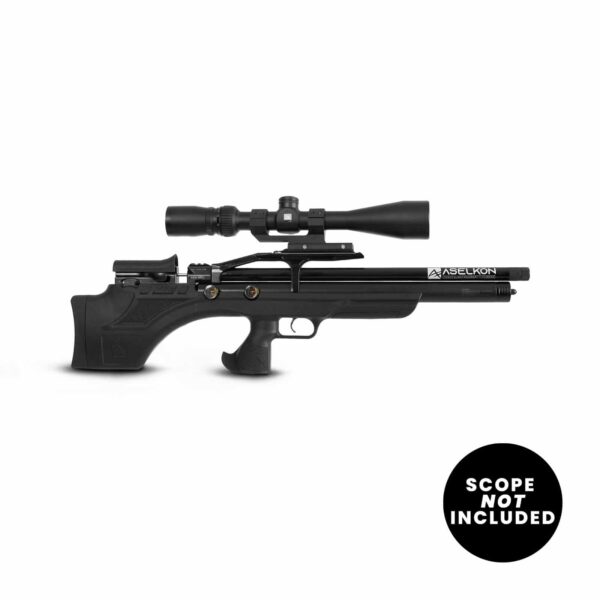
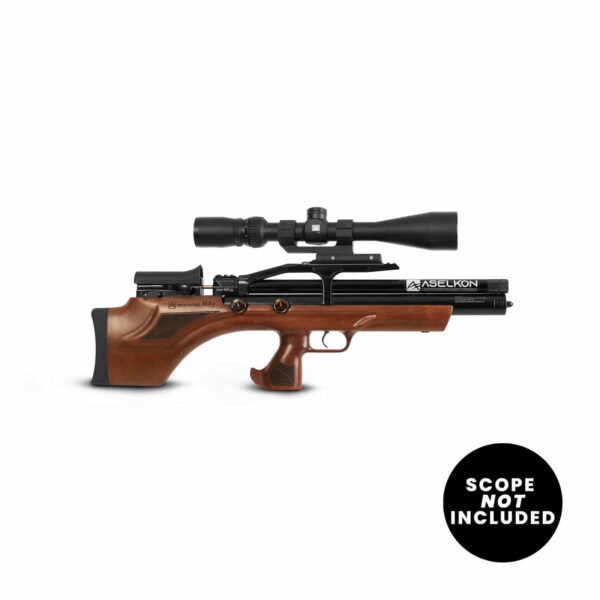
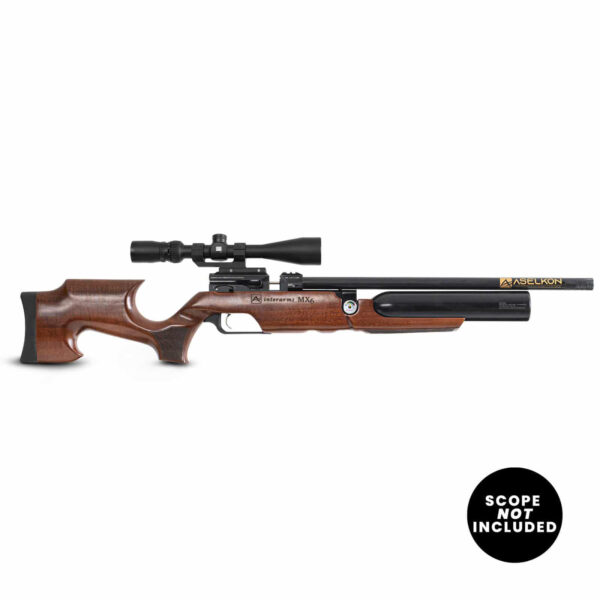
Aselkon MX Series PCP Air Rifles
- Well-balanced for beginners
- Reliable performance and solid build quality
- Suitable for both target shooting and hunting
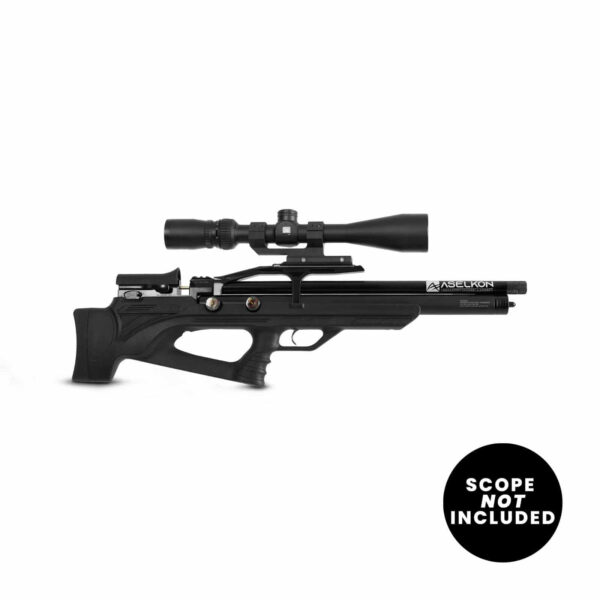
Aselkon RS Series Air Rifles
- Lightweight and easy to handle
- Great for first-time users
- Designed for accuracy and comfort
Aselkon PCP Hunting Air Rifles
- Higher power output
- Ideal for small game and pest control
- Durable construction for outdoor use
These models provide a strong entry point while still offering room to grow as your skills improve.
Step 7: How Much Should You Budget for Your First PCP Air Rifle?
Your total cost includes more than just the rifle. In fact, several additional components are required.
Typical beginner setup:
- PCP air rifle
- Air filling solution
- Pellets and basic accessories
- Optics such as a scope
Estimated range:
- Entry-level setup, $300 to $600
- Mid-range setup, $600 to $1,200
Investing in quality upfront helps avoid frustration and improves your overall experience.
Step 8: What Mistakes Should First-Time Buyers Avoid?
Avoiding common mistakes will save time and money. For example, many beginners overlook key setup factors.
- Choosing too much power too early
- Ignoring air filling requirements
- Buying low-quality pellets
- Skipping proper maintenance
- Not matching the rifle to your intended use
Key takeaway: Focus on balance, not extremes. A well-rounded rifle will serve you better than chasing maximum specs.
Final Thoughts: How Do You Choose the Right PCP Air Rifle?
Ultimately, choosing your first PCP air rifle comes down to understanding your needs and selecting a setup that supports your learning.
Start with:
- A versatile caliber like .22
- Moderate power for control and consistency
- A reliable model from a trusted provider like AirFire Tactical
As your experience grows, you can upgrade your setup and explore more advanced features.
In conclusion, choosing the right setup improves both performance and experience.
Legal, Safety, and Responsibility Considerations for PCP Air Rifle Owners
Before purchasing your first PCP air rifle, it is important to understand the legal and safety responsibilities that come with ownership. Additionally, this helps ensure responsible and compliant use.
Are PCP Air Rifles Legal Where You Live?
Air rifle laws vary depending on location. In many areas, PCP air rifles are legal to own, but there may be restrictions related to:
- Minimum age requirements
- Use within city limits
- Hunting regulations and permitted game
- Transportation and storage
Always check your local and state regulations before purchasing or using your air rifle.
What Safety Practices Should Beginners Follow?
Safe handling is critical, especially for first-time users. For this reason, following basic safety rules is essential.
Key safety rules:
- Always treat the rifle as if it is loaded
- Never point the muzzle at anything you do not intend to shoot
- Keep your finger off the trigger until ready
- Use proper backstops when target shooting
- Store your rifle unloaded and secured
Why Does Responsible Use Matter for Long-Term Ownership?
Responsible ownership ensures continued access to air rifles and protects the reputation of the shooting community. It also helps prevent accidents and legal issues.
For beginners, building good habits early will improve both safety and shooting performance over time.
Expert insight: Many experienced shooters emphasize that discipline and awareness are just as important as choosing the right equipment. A well-informed shooter is always more effective than one relying on gear alone.
Frequently Asked Questions
What is the best PCP air rifle for beginners?
A beginner-friendly PCP air rifle is one that offers moderate power, consistent accuracy, and easy handling. .22 caliber models are often the best starting point.
How hard is it to maintain a PCP air rifle?
Maintenance is relatively simple. Regular cleaning, proper storage, and monitoring air pressure will keep your rifle performing well.
Do PCP air rifles require special equipment?
Yes, you need a way to fill the air cylinder, such as a hand pump, air tank, or compressor.
How long does a PCP air rifle last?
With proper care, a high-quality PCP air rifle can last for many years and thousands of shots.
Are PCP air rifles good for hunting?
Yes, they are highly effective for small-game and pest control when used with the appropriate caliber and power level.
About the Author and Editorial Standards
This guide was reviewed by the team at AirFire Tactical, specialists in PCP air rifles and precision shooting equipment. Our content is based on hands-on product experience, industry knowledge, and current best practices to ensure accuracy and reliability.
We regularly update our guides to reflect the latest airgun technology, safety standards, and user needs, so readers can make informed decisions with confidence.