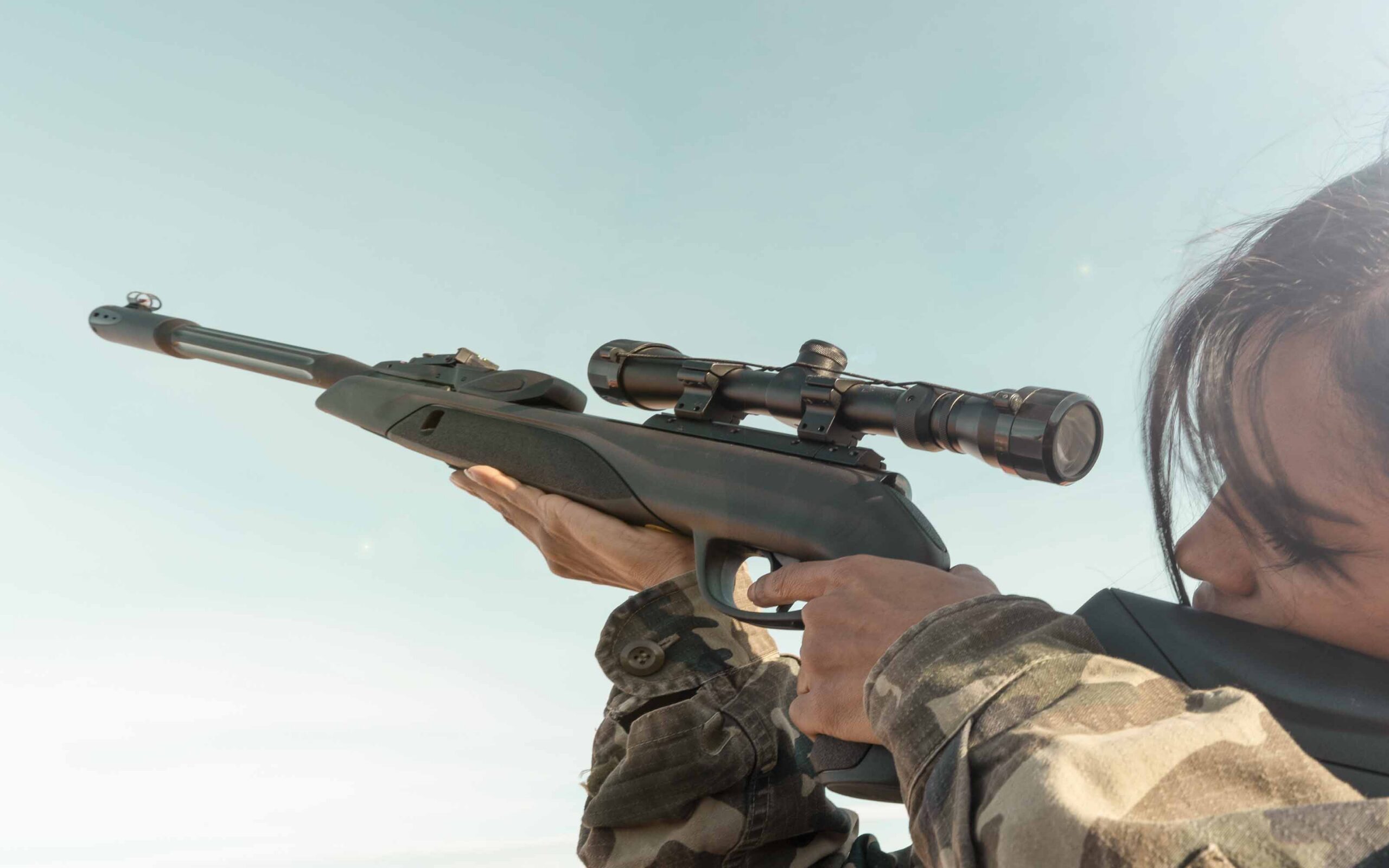
When you pull the trigger on a PCP air rifle, a precise sequence of mechanical events happens in milliseconds. Understanding this process helps you shoot more accurately, maintain your rifle properly, and choose the right setup.
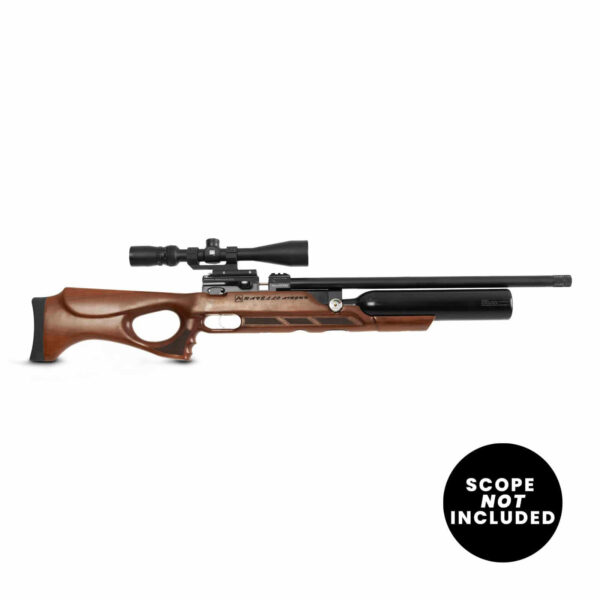
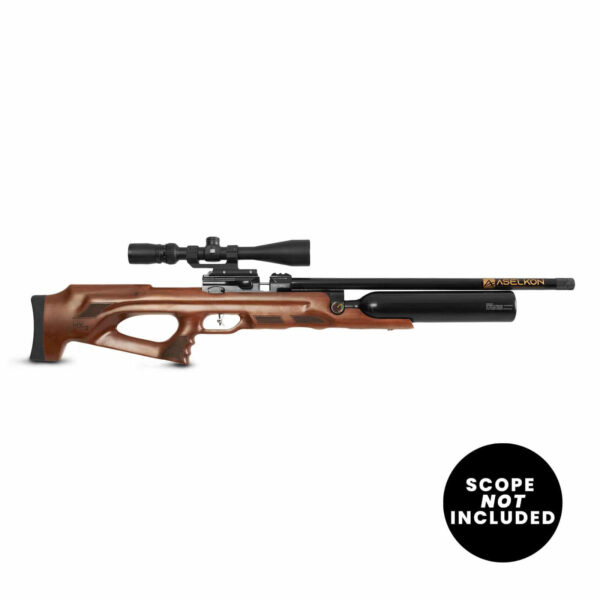
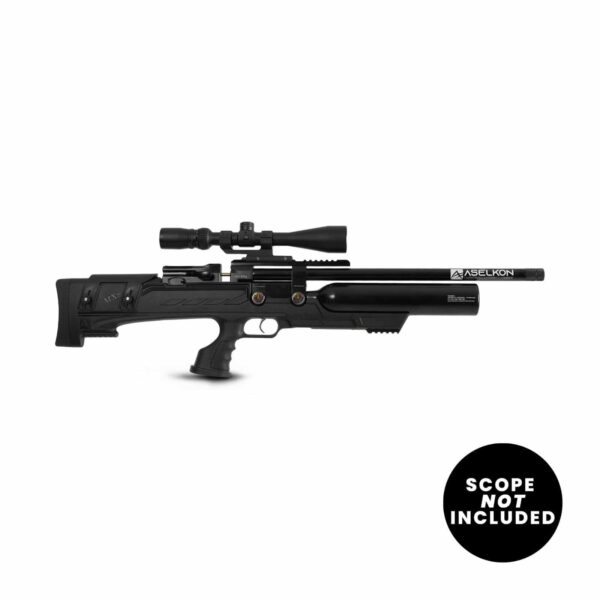
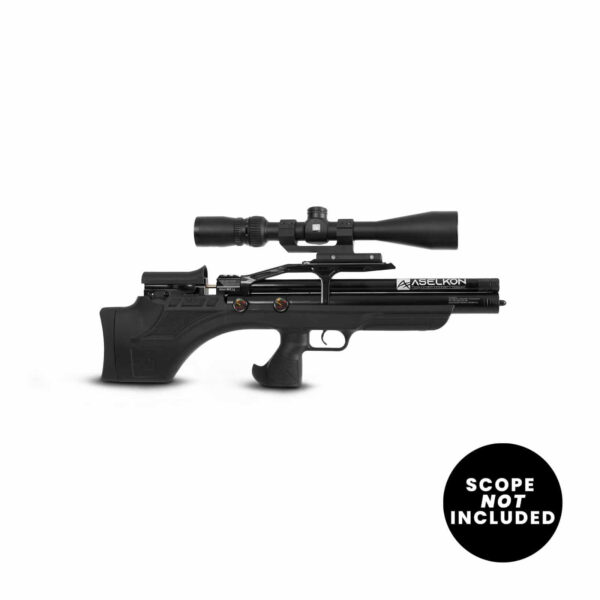
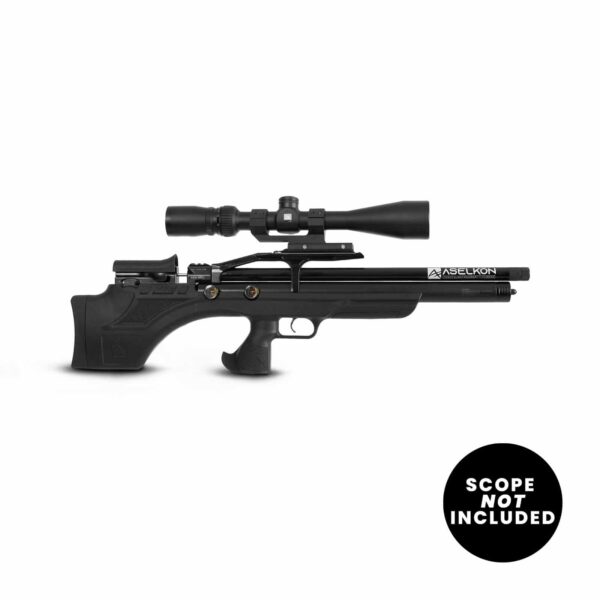
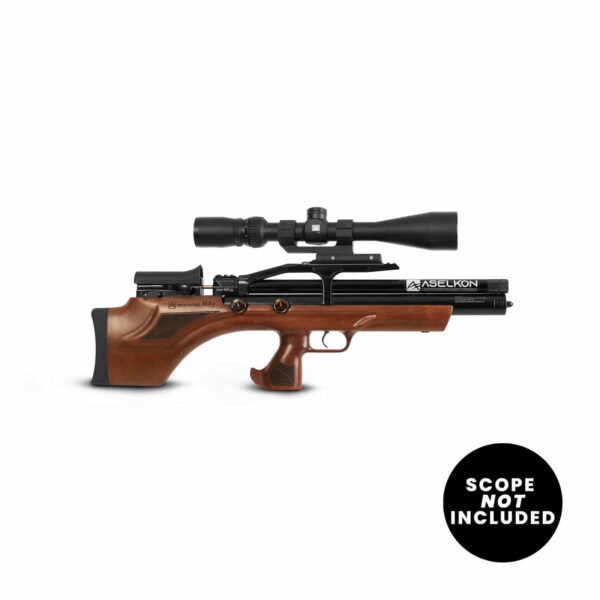
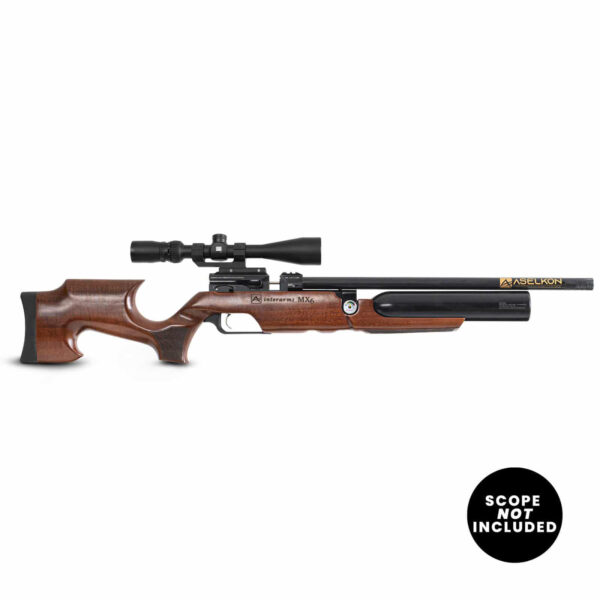
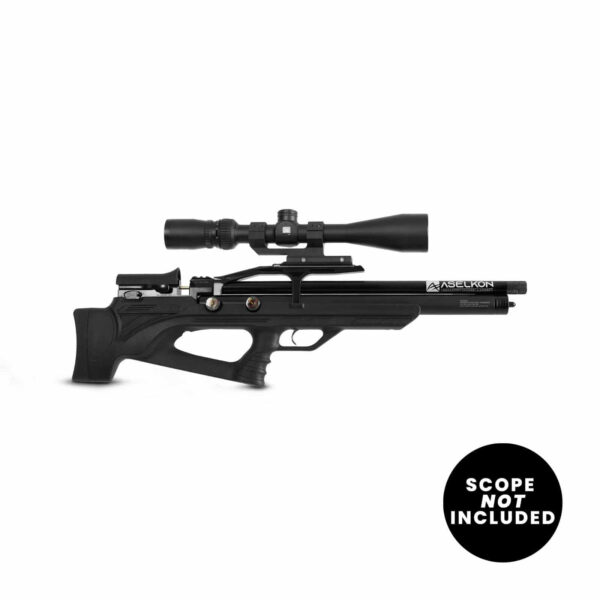
AirFire Tactical specializes in high-performance PCP air rifles for hunting, target shooting, and pest control. As the exclusive U.S. distributor of Aselkon, they offer premium air rifles known for precision, power, and craftsmanship. With options for retail buyers and wholesale partners, AirFire Tactical provides quality products and expert support for every level of shooter. If you need help selecting the right setup, you can contact us for guidance.
What happens the moment you pull the trigger?
When you pull the trigger, you release stored mechanical energy that controls airflow from a high-pressure reservoir.
Here is the simple breakdown:
- The trigger releases the hammer
- The hammer strikes the valve
- The valve opens briefly
- The valve releases compressed air
- The expanding air propels the pellet forward
This entire sequence happens almost instantly, but each step is critical to accuracy and power.
How does the trigger and hammer system work?
The trigger holds a spring-loaded hammer under tension. When you pull the trigger, that tension is released.
Next, the hammer moves forward and strikes the valve stem. This impact opens the valve and allows compressed air to flow into the firing chamber.
A clean, controlled trigger pull reduces unnecessary movement, which improves accuracy and shot consistency.
What role does the valve play in a PCP air rifle?
The valve acts as a gate that controls how much air is released during each shot.
When the hammer strikes:
- The valve opens for a fraction of a second
- A controlled burst of compressed air is released
- The valve quickly closes to preserve the remaining air
Consequently, this precise timing allows PCP air rifles to balance power and efficiency.
How does compressed air move the pellet?
Once the valve opens, high-pressure air flows into the barrel behind the pellet. As a result, the pellet accelerates rapidly down the barrel.
This air expands rapidly and creates forward force, pushing the pellet down the barrel at high speed. The consistency of this airflow is what determines accuracy and shot repeatability.
Why is timing important in the firing cycle?
Timing controls how efficiently the rifle uses air.
If the valve stays open too long, excess air is wasted, and consistency drops. If it closes too quickly, power is reduced. Engineers carefully balance valve timing in high-quality PCP air rifles to optimize performance.
What makes PCP air rifles so consistent?
Manufacturers design PCP air rifles to provide controlled air release and minimal mechanical disturbance.
Unlike spring-powered systems, they:
- Produce very little recoil
- Maintain consistent pressure across shots
- Deliver predictable velocity
This makes them ideal for both hunting and precision target shooting.
What happens after the shot is fired?
After the pellet exits the barrel, several actions occur automatically:
- The valve seals shut
- The hammer resets
- The rifle is ready for the next shot
As long as sufficient air pressure remains, the system continues to perform consistently.
What factors affect performance inside a PCP air rifle?
While understanding the firing sequence is important, true performance comes from how precisely each internal component is tuned and how consistently the system behaves across multiple shots.
From a performance and technical standpoint, PCP air rifles are evaluated based on measurable outputs such as shot-to-shot velocity consistency, air efficiency, and mechanical repeatability. These are the same criteria used by experienced shooters and technicians when assessing whether a rifle is performing at a high level.
Air pressure consistency
PCP air rifles operate within a defined pressure curve. Consistency within this range is critical. Fluctuations in pressure directly affect velocity spread, which impacts accuracy. Maintaining stable fill pressure helps ensure predictable shot behavior.
Valve timing and dwell control
Valve dwell determines how long compressed air is released during each shot. A properly tuned dwell balances power and efficiency. Too much dwell wastes air, while too little reduces pellet velocity. High-performance systems are engineered to maintain this balance across repeated shots.
Hammer spring tension and strike force
The hammer’s force influences how the valve opens. Variations in spring tension can lead to inconsistent air release. Precision systems are designed to deliver uniform strike energy for consistent performance.
Pellet selection and barrel interaction
Additionally, pellet weight, shape, and fit affect how efficiently air pressure converts into forward motion. A proper seal inside the barrel improves consistency. Poor fit can lead to velocity loss and unstable trajectories.
Barrel quality and alignment
Barrel precision plays a direct role in accuracy. Consistent internal dimensions and proper alignment ensure that pellets travel smoothly, reducing deviation and improving grouping.
Regulated vs unregulated air systems
Regulated PCP air rifles maintain consistent output pressure regardless of tank pressure changes, which significantly reduces velocity variation. Unregulated systems rely on pressure curves and may show performance changes as air levels drop.
Why this matters
All of these variables interact within milliseconds during the firing cycle. Even minor inconsistencies in pressure, timing, or mechanical force can lead to measurable differences in shot placement and performance.
By understanding these factors, shooters can:
- Identify the root cause of accuracy or consistency issues
- Optimize their setup based on measurable performance
- Select equipment that delivers reliable results over time
This level of insight reflects how PCP air rifles are evaluated in real-world use, not just how they function in theory.
Final takeaway
Every time you pull the trigger on a PCP air rifle, a controlled and highly engineered sequence takes place. From the hammer strike to the release of compressed air, each step is designed for efficiency and accuracy.
This is why PCP air rifles continue to be a top choice for shooters who prioritize performance, consistency, and control.
Frequently Asked Questions
How fast does the firing process happen in a PCP air rifle?
The entire firing cycle happens in a fraction of a second, almost instantly after pulling the trigger.
What controls the power of a PCP air rifle?
Air pressure, valve timing, and pellet weight influence power.
Can trigger quality affect accuracy?
Yes, a smoother trigger improves control and reduces unwanted movement during the shot.
Do all PCP air rifles work the same way?
Most follow the same basic process, but internal design and efficiency can vary.
What happens if the air pressure is too low?
Low pressure leads to reduced power and inconsistent performance.