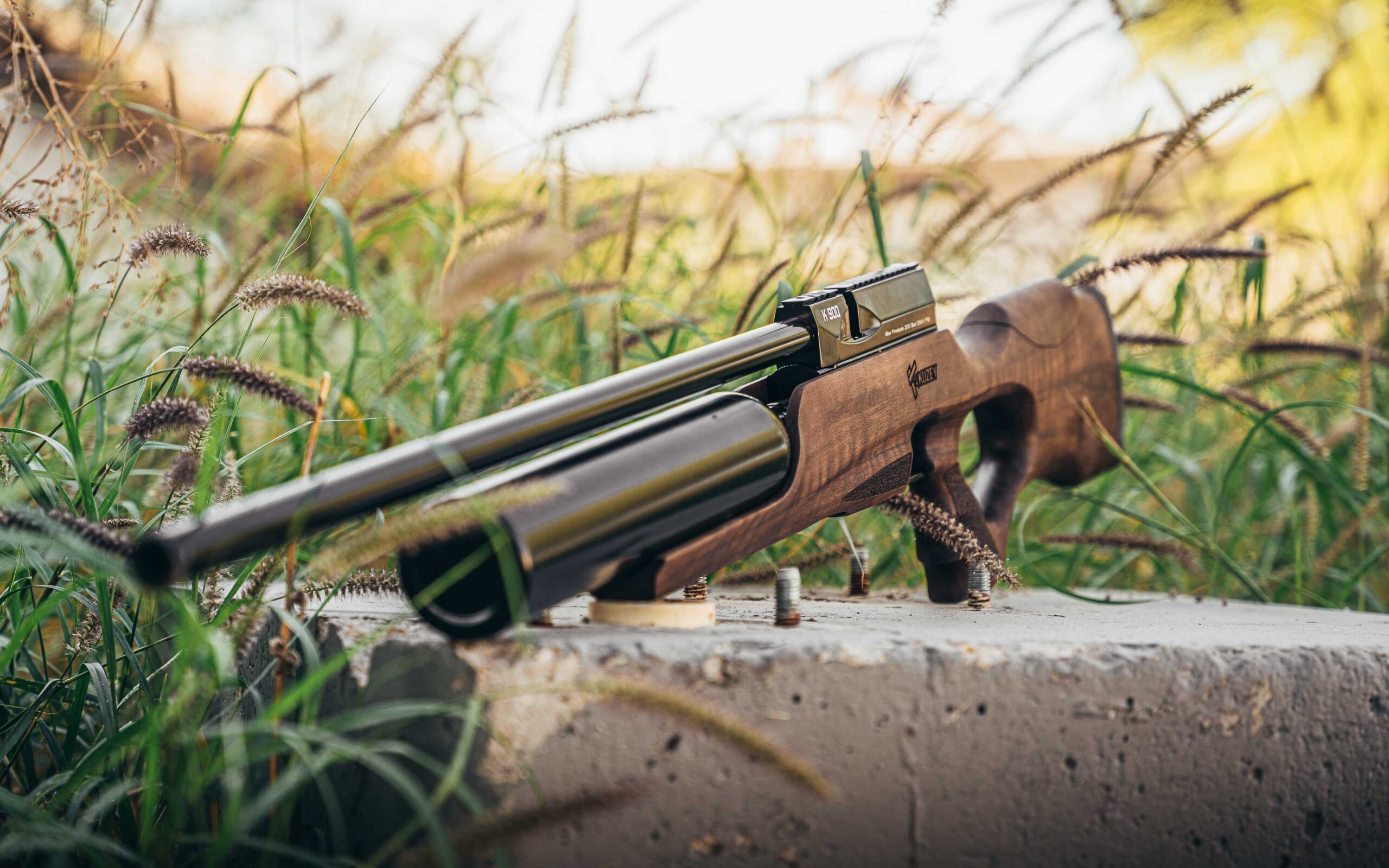
If you own a PCP air rifle, filling your air tank correctly is not optional, it is essential. The way you fill your tank affects safety, consistency, cost, and long-term performance. At Airfire Tactical, shooters rely on properly tested air systems, expert guidance, and high-quality equipment to keep their setups running safely and efficiently.
This guide explains how each air tank filling method works, when it makes sense, and which option fits your shooting style best.
What are the main ways to fill a PCP air tank?
The three primary ways to fill a PCP air tank are manual hand pumps, electric air compressors, and SCBA tanks filled at certified stations. These filling methods are used across a wide range of modern PCP air rifles, from entry-level platforms to competition-grade systems.
Each option differs in cost, speed, physical effort, and convenience. Understanding these differences helps you avoid underfilling, moisture contamination, or unnecessary wear on your equipment.
How does a hand pump work for filling air tanks?
A hand pump fills your air tank using manual pressure generated through repeated pumping strokes.
Most PCP hand pumps use multi-stage compression to gradually raise air pressure to 3,000 or even 4,500 PSI. Moisture filters are built in, but pumping technique and maintenance matter.
Key benefits of hand pumps
- Lowest upfront cost
- No electricity required
- Portable and simple
- Ideal for low-volume shooters
Limitations to consider
- Physically demanding
- Slow fill times
- Heat and moisture buildup if rushed
- Not ideal for large tanks or frequent fills
Hand pumps are best for shooters who fire occasionally, use smaller cylinders, or want a backup option for emergencies.
Why do many shooters choose electric compressors?
Electric compressors automate the filling process, delivering consistent high-pressure air with minimal effort.
Modern PCP compressors are designed to reach 3,000 to 4,500 PSI safely. Many models include auto shutoff, advanced filtration, and water separators to protect your air system.
Advantages of electric compressors
- Fast and convenient
- Minimal physical effort
- Consistent pressure delivery
- Ideal for regular shooters
Things to watch out for
- Higher initial cost
- Requires power source
- Maintenance of filters and seals
- Entry-level units may struggle with large tanks
Electric compressors are ideal if you shoot frequently, own multiple PCP rifles, or value time and consistency.
What is an SCBA tank and how does it fill PCP air tanks?
SCBA tanks are high-capacity air cylinders originally designed for firefighting and industrial breathing systems.
Instead of compressing air at home, you fill the SCBA tank at a certified dive shop, paintball center, or air station. The tank is then used to fill your PCP rifle or smaller air cylinders.
Why shooters love SCBA tanks
- Extremely fast fills
- No heat or moisture from home compression
- Consistent pressure
- Ideal for high-volume shooting sessions
Important trade-offs
- Highest upfront cost
- Requires access to refill stations
- Heavy and less portable
- Periodic hydro testing required
SCBA tanks are best for serious enthusiasts who shoot often and want maximum convenience with minimal downtime.
Which air tank filling option is safest?
All three methods are safe when used correctly, but safety depends on quality equipment and proper handling.
Hand pumps require careful pacing to avoid overheating and moisture buildup. Electric compressors need proper filtration and routine maintenance. SCBA tanks must be handled with care and refilled only at certified facilities.
Using quality hoses, rated fittings, and pressure gauges is essential regardless of the method you choose.
How do moisture and air quality affect PCP performance?
Moisture is one of the biggest threats to PCP systems.
Water inside an air tank can cause corrosion, regulator failure, and inconsistent shot performance. Electric compressors with advanced filtration or professionally filled SCBA tanks reduce this risk significantly.
If using a hand pump, slow pumping and regular filter replacement are critical to maintaining clean air.
How do you choose the right air tank filling method?
Choosing the best option comes down to how often you shoot, your budget, and your setup. If you are unsure which filling method matches your rifle, tank size, or shooting frequency, getting expert guidance can prevent costly mistakes. You can always contact usfor personalized recommendations based on your specific PCP setup.
Choose a hand pump if
- You shoot occasionally
- You want the lowest cost entry
- You value portability
- You fill smaller cylinders
Choose an electric compressor if
- You shoot regularly
- You want speed and convenience
- You fill multiple rifles or tanks
- You prefer consistent results
Choose an SCBA tank if
- You shoot frequently or competitively
- You want the fastest fills possible
- You have access to refill stations
- You want minimal wear on your equipment
Frequently Asked Questions
What PSI do PCP air tanks usually require?
Most PCP air rifles require 3,000 PSI, while newer models and large tanks may require up to 4,500 PSI. Always check manufacturer specifications.
Can I overfill a PCP air tank?
Yes. Overfilling can damage seals, regulators, and valves. Always use a pressure gauge and stop at the recommended PSI.
Is a hand pump bad for PCP rifles?
No, but improper technique can introduce heat and moisture. Pump slowly and maintain filters to protect your system.
How often do SCBA tanks need hydro testing?
Most SCBA tanks require hydrostatic testing every five years. Check the stamp on the tank for exact requirements.
Are electric compressors safe for home use?
Yes, when designed for PCP airguns and properly maintained. Use only compressors rated for your required pressure.