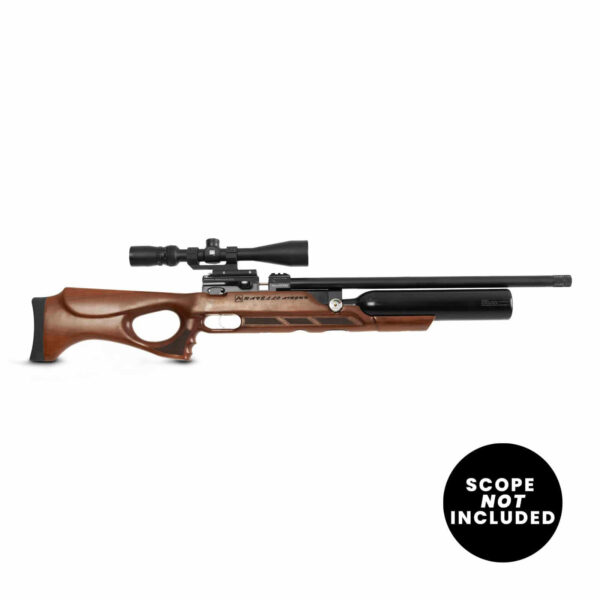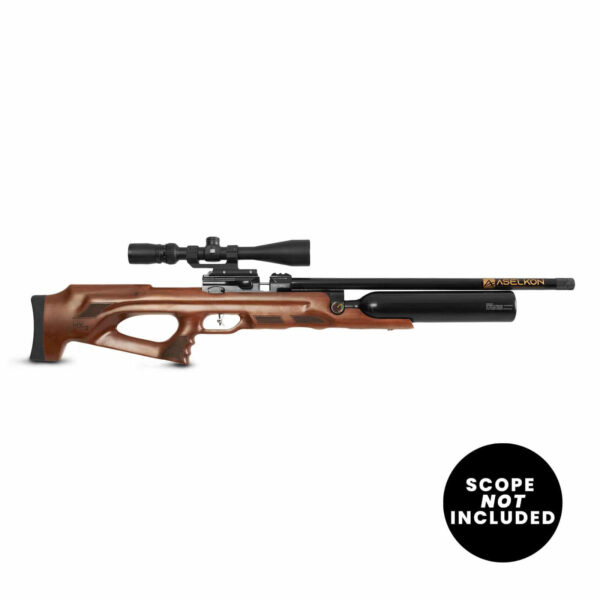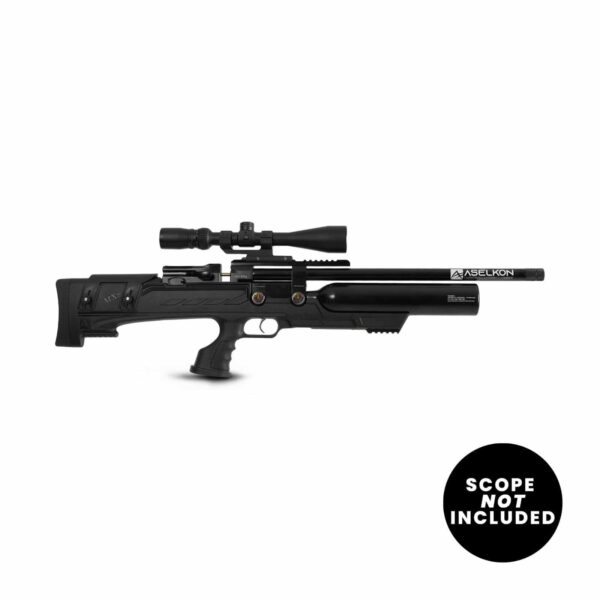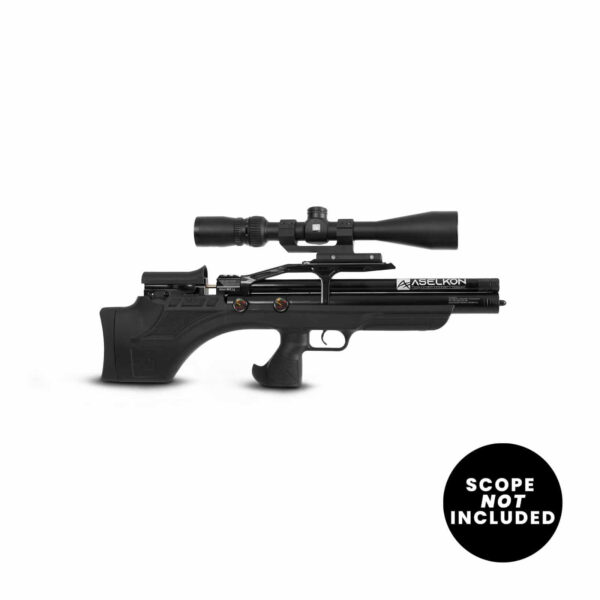
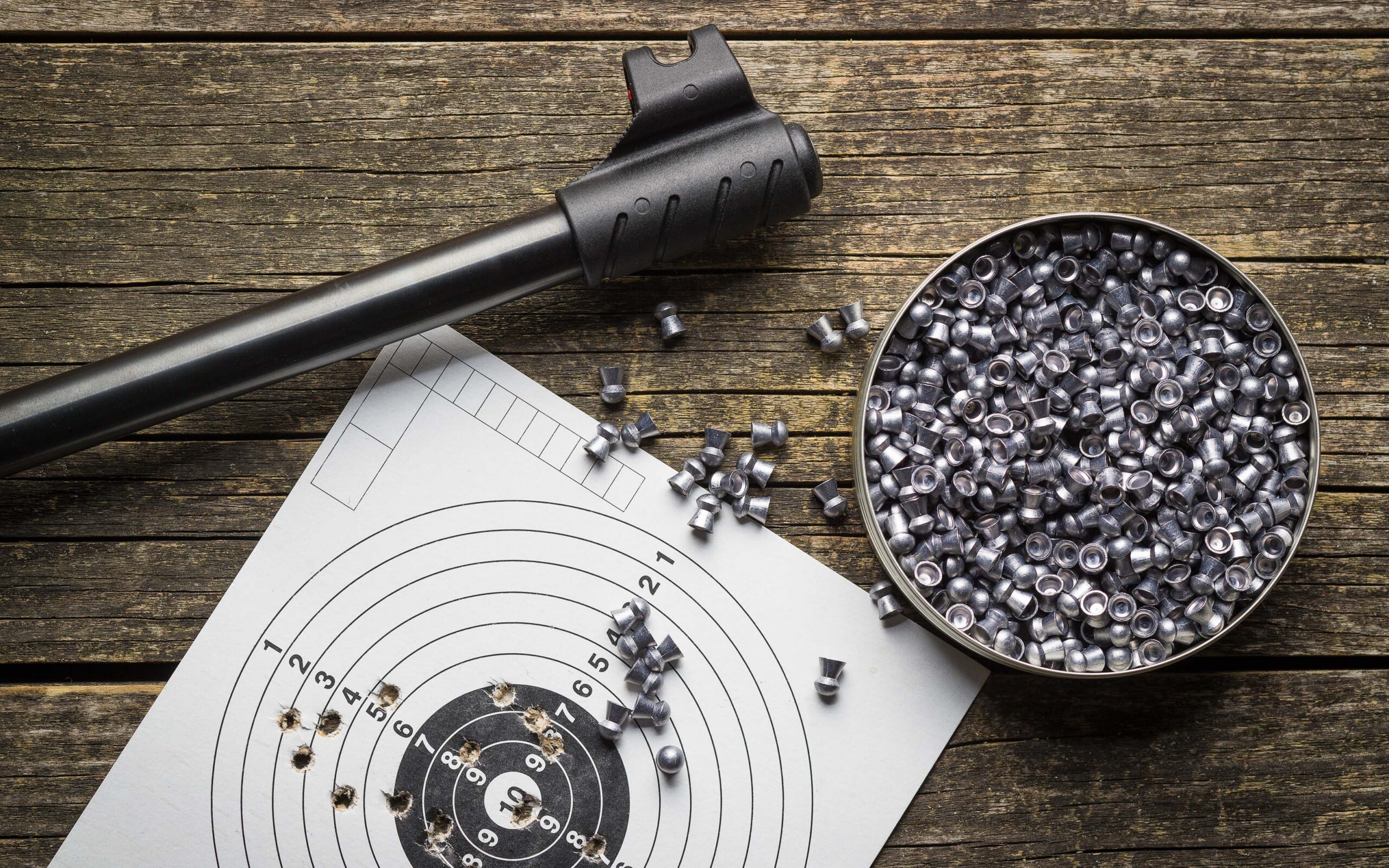
Air rifle twist rates play an important role in pellet stability, aerodynamics, and overall shooting accuracy. The rifling inside the barrel creates rotational spin that stabilizes the projectile as it travels through the air.
When twist rate, pellet weight, and muzzle velocity work together, shooters can achieve tighter shot groups and a more predictable trajectory. This is especially important for shooters practicing target shooting, hunting small animals such as rabbit or squirrel, or performing pest control for vermin.
Modern PCP air rifles use compressed air rather than gunpowder. This design produces consistent pressure for every shot, which leads to reliable velocity and stable pellet flight across distances measured in yards.
Understanding twist rate and external ballistics allows shooters to improve both accuracy and precision.
Key Takeaways About Twist Rates
A few important principles help explain why twist rates matter:
- Twist rate determines how quickly a pellet spins inside the barrel
- Spin stabilizes the projectile during flight
- Proper twist rates reduce aerodynamic drag
- Velocity influences trajectory and muzzle energy
- Stable pellets improve accuracy and precision
Shooters who understand these fundamentals often see noticeable improvements in shot consistency.
What Is an Air Rifle Twist Rate
An air rifle twist rate describes how quickly the rifling inside the barrel rotates the pellet.
Rifling consists of spiral grooves cut into the steel barrel. When compressed air pushes the pellet forward, the grooves force the pellet to spin rapidly.
Twist rate is usually expressed as a ratio, such as 1:16 or 1:18. This means the pellet completes one full rotation for every 16 or 18 inches of barrel length.
The spinning motion stabilizes the projectile and prevents tumbling during flight.
How Rifling Stabilizes the Pellet
The stabilization effect comes from gyroscopic physics.
When a pellet spins rapidly, it resists changes in direction due to its moment of inertia. This rotational force keeps the pellet pointed forward during flight.
Several forces influence pellet trajectory once it leaves the muzzle:
- gravity pulling the pellet downward
- drag slowing the projectile
- lift created by airflow
- wind affecting trajectory
These forces are studied in external ballistics, which examines how projectiles behave in flight.
Pellet Shapes and Their Uses
Different pellet shapes are designed for specific shooting activities.
| Pellet Shape | Best Use | Characteristics |
|---|---|---|
| Wadcutter | Target shooting | Flat head produces clean holes in paper |
| Domed | General shooting | Balanced aerodynamics |
| Hollow point | Pest control | Designed for expansion |
| Slug | Long-range shooting | Higher ballistic coefficient |
Some rifles are designed with a slug barrel that stabilizes heavier projectiles.
How Velocity Influences Pellet Performance
Velocity plays a critical role in pellet stability and energy.
PCP rifles store compressed air inside a reservoir. When the trigger is pulled, the rifle valve releases air pressure that pushes the pellet down the barrel.
This force generates muzzle velocity, which determines how fast the pellet travels toward the target.
Higher and more consistent velocity improves:
- trajectory stability
- muzzle energy
- shot consistency
- long-range accuracy
PCP air rifles can be filled using several systems, including a hand pump, air compressor, or carbon fiber air tank.
External Ballistics and Long Range Shooting
External ballistics describes how a projectile behaves after leaving the barrel.
Several environmental factors influence pellet flight:
- altitude and air density
- wind direction and windage
- shooting angle
- pellet weight and shape
Because most air rifle pellets travel below the speed of sound, they avoid the instability that occurs when projectiles cross the transonic barrier.
Shooters performing long range shooting must consider these factors when calculating pellet drop and trajectory.
How Barrel Design Affects Accuracy
Barrel quality has a major influence on pellet stability.
Precision air rifle barrels are usually manufactured from high-quality steel and designed with carefully engineered rifling patterns.
The combination of barrel design, pellet weight, and twist rate determines how efficiently air pressure converts into forward motion.
Manufacturers such as AirFire Tactical focus on precision-engineered PCP rifles designed to provide reliable pellet stability and consistent shooting accuracy.
Practical Applications of Stable Pellets
Proper pellet stability benefits many types of shooting activities.
Target Shooting
Used for practice and competition.
Pest Control
Air rifles are frequently used to control vermin around farms and rural areas.
Hunting Small Game
Air rifles are commonly used to hunt rabbits and squirrels where permitted by law.
Recreational Shooting
Many shooters practice regularly to improve accuracy and consistency.
Twist Rate and Pellet Performance
The following table summarizes how different twist rates influence pellet behavior.
| Twist Rate | Pellet Stability | Best Use |
|---|---|---|
| 1:18 | Moderate spin | Target shooting |
| 1:16 | Balanced stability | General shooting |
| Faster twist | High stabilization | Slugs and long-range shooting |
Selecting the correct twist rate helps maximize pellet stability and accuracy.
Why PCP Air Rifles Deliver Consistent Accuracy
PCP air rifles are widely known for their consistent shot performance.
Compressed air stored in the reservoir supplies stable pressure for each shot. This ensures predictable velocity and reliable pellet flight.
Because the system delivers consistent airflow, shooters can maintain accurate shot placement across multiple shots.
When combined with proper pellet selection and twist rate, PCP air rifles provide excellent results for target shooting, pest control, and hunting.
Manufacturers such as AirFire Tactical design PCP air rifles with precision barrels and dependable performance.
Frequently Asked Questions
What is the most common air rifle twist rate?
Most air rifles use twist rates between 1:16 and 1:18, which stabilize standard diabolo pellets.
Do heavier pellets require faster twist rates?
Yes. Heavier pellets and slugs require faster twist rates to remain stable during flight.
How does velocity affect pellet stability?
Higher velocity improves pellet stability and helps maintain a consistent trajectory.
Can wind affect pellet accuracy?
Yes. Wind can push pellets off course and requires windage adjustments.
What equipment fills PCP air rifles?
PCP air rifles can be filled using a hand pump, air compressor, or carbon fiber air tank.