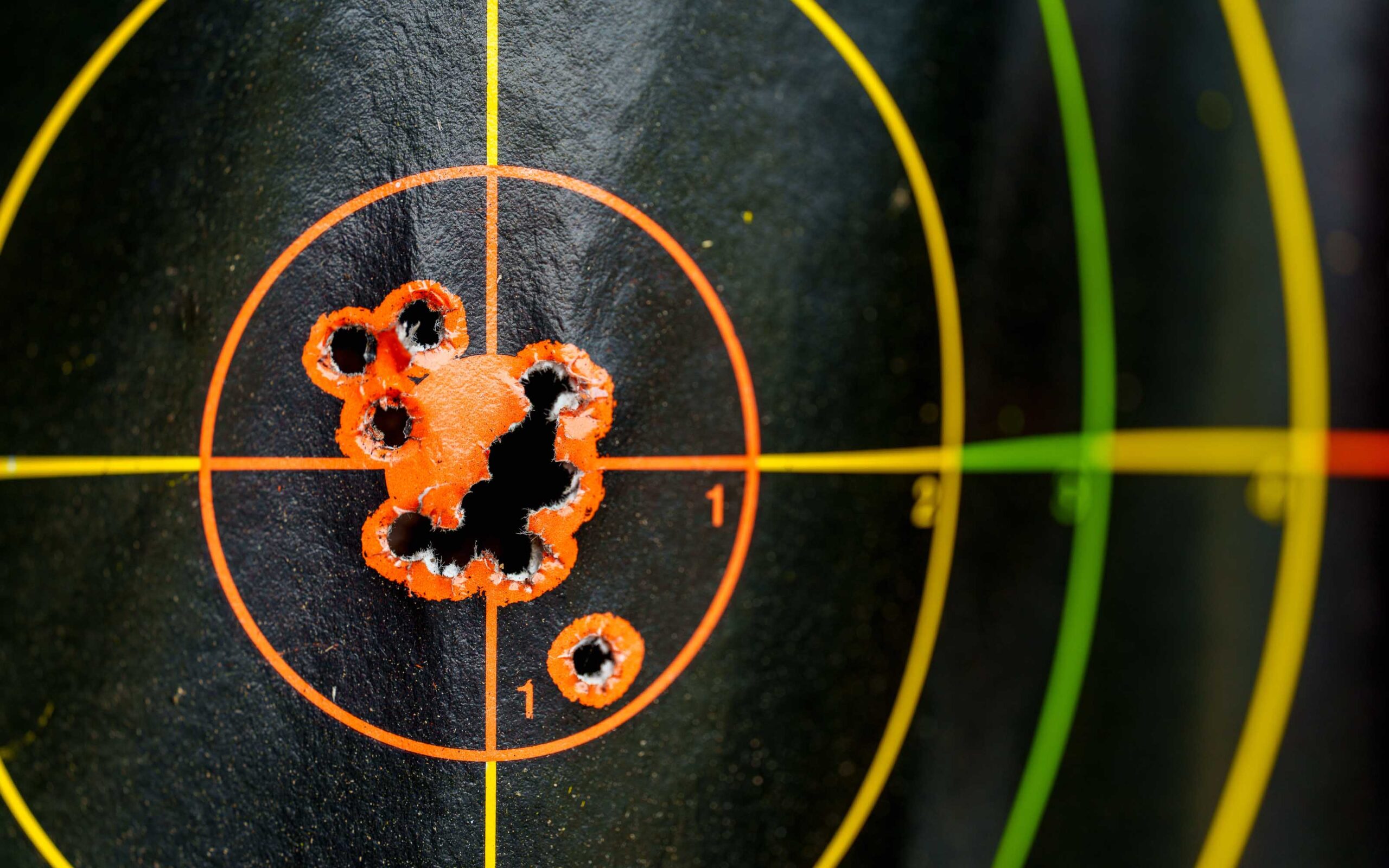
Consistent shot grouping is the true measure of a well-tuned PCP air rifle. Even high-end rifles can deliver poor results if pressure, airflow, or shooting fundamentals are not properly aligned. The good news is that most accuracy issues can be corrected with careful tuning rather than expensive upgrades.
This guide explains how to tune a PCP air riflefor tighter groupings, what adjustments actually matter, and how to avoid common mistakes that cause velocity spread and inconsistent point of impact.
What does “shot consistency” mean in a PCP air rifle?
Shot consistency refers to how closely each pellet lands relative to the others when fired under the same conditions. A consistent rifle produces tight groupings with minimal vertical or horizontal spread.
In PCP systems, consistency depends on how evenly air is released, how stable pellet velocity remains, and how repeatable the firing cycle is from shot to shot.
If any part of the air delivery or mechanical timing varies, group size increases even when the shooter does everything right.
Why is air pressure balance critical for tight groupings?
Air pressure balance is the foundation of PCP accuracy. Every shot depends on releasing the correct amount of air at the correct pressure.
Key pressure factors include:
- Fill pressure consistency
- Regulator output stability
- Proper hammer strike energy
- Valve dwell time
Overfilled or underfilled reservoirs often push the rifle outside its optimal pressure curve. This leads to velocity spikes early in the fill and velocity drop later, creating vertical stringing on the target.
Most modern PCP rifles perform best when shot within a defined pressure window rather than from full to empty.
How does a regulator improve PCP accuracy?
A regulator maintains a constant output pressure to the firing valve regardless of reservoir pressure. This stabilizes pellet velocity and dramatically improves grouping consistency.
Benefits of a properly tuned regulator include:
- Reduced extreme spread in velocity
- More predictable point of impact
- Increased usable shot count
- Less sensitivity to fill pressure variation
However, regulators must be tuned correctly. A poorly set regulator can cause pressure creep, airflow starvation, or inconsistent recharge between shots.
For regulated rifles, adjusting regulator pressure should always be done in small increments and verified with chronograph data.
What role does hammer spring tuning play in grouping size?
The hammer spring controls how hard the hammer strikes the valve, which determines how long the valve stays open.
Too much hammer energy causes excess air release, turbulence, and wasted air. Too little energy causes incomplete valve opening and erratic velocities.
Proper hammer spring tuning aims to:
- Match valve dwell to regulator pressure
- Eliminate unnecessary air usage
- Create a flat velocity curve
Many shooters chase maximum power when they should prioritize consistency. Slightly lower power with stable velocity almost always produces tighter groups.
How pellet selection affects PCP shot consistency
Pellet choice is often overlooked, but it directly impacts accuracy.
Even a perfectly tuned rifle will shoot poorly with pellets that do not match its barrel characteristics.
Key pellet variables include:
- Weight consistency
- Head size fit
- Skirt quality
- Alloy composition
Testing multiple pellet types is essential. Chronograph results combined with group testing reveal which pellet your rifle prefers at its tuned velocity.
Heavier pellets often deliver better consistency at regulated pressures, while lighter pellets may amplify airflow inconsistencies.
Why barrel cleanliness matters more than most shooters think
Dirty barrels cause inconsistent pellet friction, leading to velocity variation and flyers.
PCP barrels do not require aggressive cleaning, but they do benefit from regular maintenance.
Signs a barrel needs cleaning include:
- Sudden group size increase
- Unexplained flyers
- Velocity fluctuations with the same pellet
Use non-abrasive cleaning methods designed for airgun barrels. Over-cleaning can be just as harmful as neglect.
How to use a chronograph to fine-tune your PCP rifle
A chronograph is one of the most valuable tuning tools for PCP shooters.
Velocity data reveals issues that targets alone cannot show.
When tuning, look for:
- Low extreme spread
- Minimal standard deviation
- Flat velocity curve across multiple shots
Adjust one variable at a time, then retest. Small changes often produce meaningful improvements.
Avoid tuning by feeling alone. Data-driven adjustments lead to repeatable accuracy.
Why shooter setup still matters after tuning
Mechanical tuning cannot compensate for inconsistent shooting technique.
Stable grouping requires:
- Consistent cheek weld
- Proper follow-through
- Neutral grip pressure
- Stable rest or position
PCP rifles are sensitive to how they are held. Even perfectly tuned rifles can shift point of impact if shooting technique changes between shots.
When is professional tuning worth it?
Professional tuning may be worthwhile if:
- The rifle shows regulator creep
- Velocity spread remains high after adjustment
- Internal airflow issues are suspected
- You want optimized performance for competition
However, many accuracy gains can be achieved through careful owner tuning using proper tools and patience.
Airfire Tacticalprovides expert guides and performance-tested gear to help shooters tune with confidence rather than guesswork.
Frequently Asked Questions
How tight should groups be from a tuned PCP air rifle?
At 25 yards, well-tuned PCP rifles often achieve single-hole or sub-0.5 inch groups depending on pellet choice and shooter skill.
Do I need a regulator to get good accuracy?
No, but regulated rifles are easier to tune and maintain consistent velocity. Unregulated rifles can still shoot extremely well within their optimal pressure range.
Should I tune for maximum power?
No. Maximum power often reduces consistency. Accuracy improves when velocity is stable, even if peak power is lower.
How often should I clean my PCP barrel?
Clean only when accuracy degrades. Over-cleaning can harm consistency. Most shooters clean after several hundred shots.
Can pellet sorting improve grouping?
Yes. Sorting by weight and head size can reduce flyers, especially in precision or competition setups.