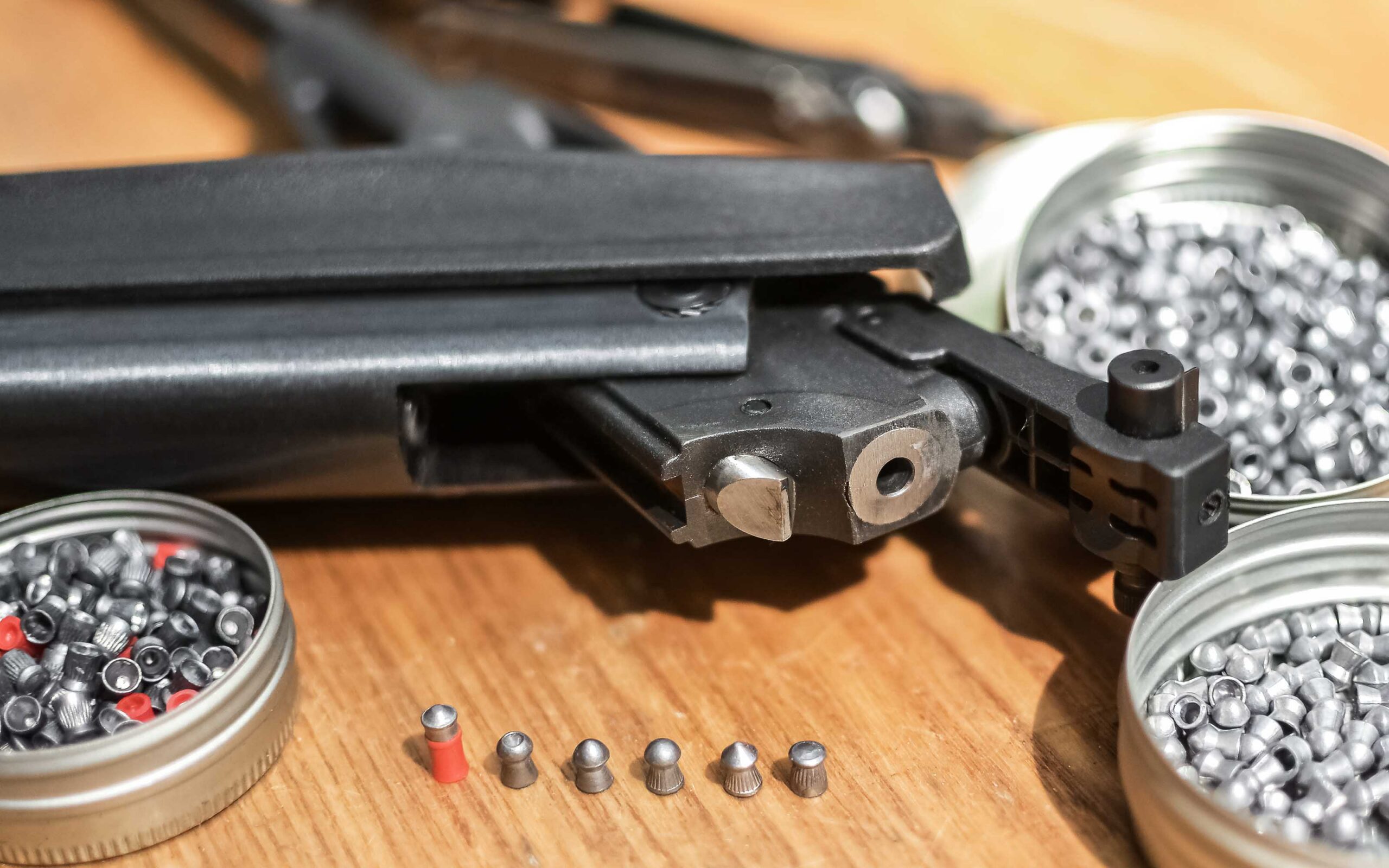
Creating a dedicated airgun workshop is one of the smartest upgrades a PCP airgun owner can make, especially when you are investing in high-quality PCP airguns and accessories from trusted retailers like Airfire Tactical. A proper setup improves safety, protects your investment, and helps you maintain peak performance over time. Whether you are a beginner or a seasoned shooter, having the right tools and an organized space makes every task easier and more precise.
Below is a complete guide to building an efficient, safe, and practical airgun workshop specifically for PCP owners.
What Is an Airgun Workshop and Why Do PCP Owners Need One?
An airgun workshop is a dedicated space designed for maintaining, tuning, cleaning, and safely storing airguns and related equipment.
PCP airguns operate under high pressure and require more care than spring or CO₂ airguns. A proper workshop allows you to:
- Perform routine maintenance correctly
- Prevent damage from improper handling
- Safely manage high-pressure air systems
- Keep pellets, optics, and accessories organized
Even a small, well-planned workspace can significantly extend the lifespan of your equipment. If you ever need guidance on tools, air supply options, or compatible accessories, our team is available to help. Contact us.
How Much Space Do You Need for an Airgun Workshop?
You do not need a large room to build an effective airgun workshop.
A functional setup can fit in:
- A spare bedroom corner
- A garage section
- A basement workbench area
The key requirements are a sturdy work surface, good lighting, and enough clearance to safely handle long air rifles. Aim for a space where you can work without rushing or stacking equipment on top of each other.
What Are the Essential Tools Every PCP Airgun Workshop Needs?
The right tools make maintenance safer and prevent costly mistakes.
Core Tools for PCP Owners
Every workshop should include:
- A high-quality set of metric hex keys
- Torque wrench for scope mounts and action screws
- Soft-jaw vise or rifle cradle
- Cleaning rods designed for airguns
- Nylon and brass brushes
- Silicone grease approved for high-pressure systems
Avoid petroleum-based lubricants, as they can be dangerous in high-pressure air environments.
Why Is Air Supply Equipment So Important in a PCP Workshop?
PCP airguns rely on clean, dry, high-pressure air, making air supply equipment one of the most critical parts of your setup.
Your workshop should accommodate:
- A PCP-rated air compressor or carbon fiber tank
- Moisture traps and filters
- Secure hose storage to prevent damage
Proper air management reduces internal corrosion and helps maintain consistent shot performance.
How Should You Organize Pellets, Optics, and Accessories?
Organization improves efficiency and reduces the risk of damage.
Best practices include:
- Storing pellets in labeled, airtight containers
- Keeping optics in padded cases when not mounted
- Using drawer organizers for O-rings, seals, and small parts
Clear labeling helps you quickly find what you need and prevents mixing pellet types, which can affect accuracy.
What Safety Measures Should a PCP Workshop Always Have?
Safety should always come first in any airgun workspace.
Essential safety features include:
- Eye protection available at all times
- A clearly designated unloaded handling area
- Proper ventilation when cleaning or lubricating
- Lockable storage for airguns and high-pressure equipment
Treat every airgun as loaded until you personally verify otherwise.
How Can Lighting and Ergonomics Improve Your Workshop?
Good lighting and ergonomics reduce errors and fatigue.
Use bright, adjustable LED lighting to illuminate your workbench. A comfortable chair or standing mat can also make long maintenance sessions easier on your body. When your workspace is comfortable, you are more likely to follow proper procedures instead of rushing.
How Do You Future-Proof Your Airgun Workshop?
Planning ahead saves money and space later.
Leave room for:
- Additional tools
- Larger compressors or tanks
- New airgun platforms
A modular storage system allows you to expand without reorganizing the entire workshop.
Frequently Asked Questions
What is the most important tool for a PCP airgun workshop?
A torque wrench is one of the most important tools because over-tightening can damage airgun components and optics.
Can I build a PCP workshop in an apartment?
Yes. Many PCP owners successfully set up compact workshops in apartments using small benches, portable cradles, and quiet compressors.
Do PCP airguns require special cleaning tools?
Yes. Airgun-specific cleaning rods and non-petroleum lubricants are essential to avoid damaging seals and internal components.
How often should PCP airguns be maintained in a workshop?
Light cleaning and inspection should be done after regular use, while deeper maintenance depends on usage and manufacturer recommendations.
Is a dedicated workshop necessary for beginners?
While not mandatory, a simple workshop setup helps beginners learn proper care habits early and avoid costly mistakes.