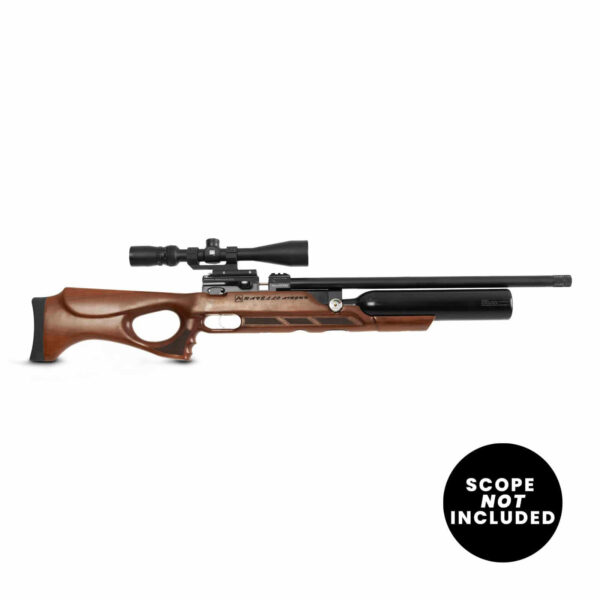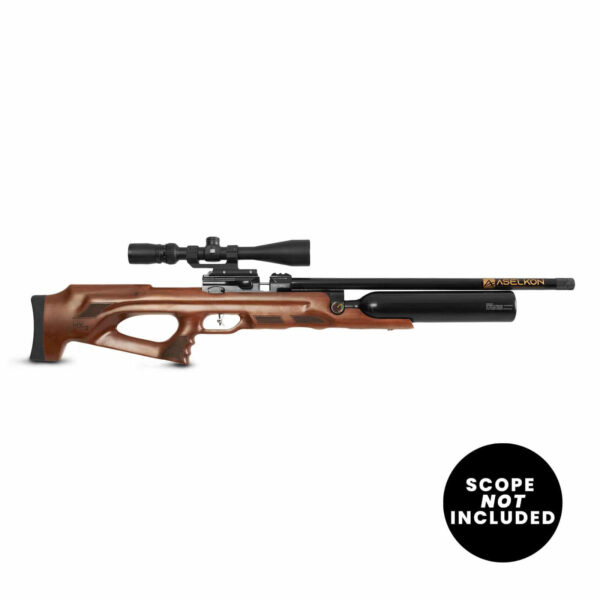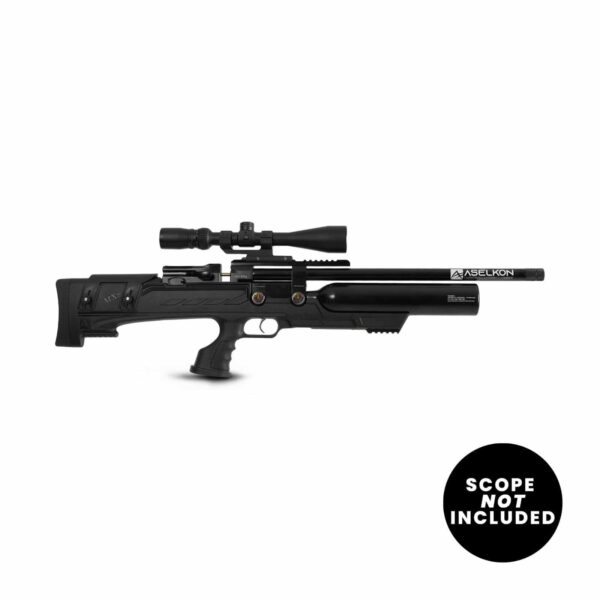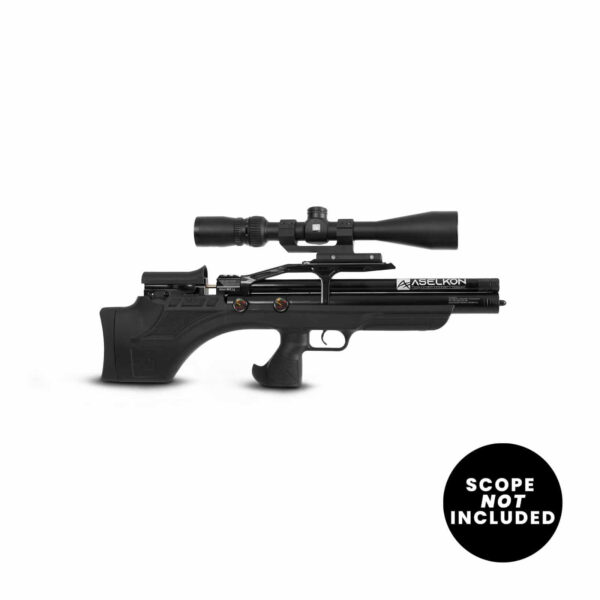
Keeping your air rifle clean is one of the simplest ways to protect accuracy, extend lifespan, and maintain consistent performance. Whether you shoot a pre-charged pneumatic (PCP) air rifle, a CO₂ model, or a spring-powered gun, proper maintenance helps prevent internal wear that can build up over time. Many shooters invest in premium optics, pellets, and tanks, but skip the routine care that keeps their gear performing like new.
At Airfire Tactical, every rifle is performance-tested so shooters can buy with confidence. Maintaining that performance at home starts with knowing how to clean, inspect, and store your rifle the right way.
Why Does Cleaning Your Air Rifle Matter for Long-Term Performance?
Air riflesrely on tight internal tolerances. Any dust, lead residue, or moisture inside the barrel can affect pellet flight, reduce velocity, and throw off your point of impact. Regular cleaning helps you avoid the most common performance issues.
The most important benefits include:
- Better consistency with every shot
- Reduced wear on internal seals
- Less risk of corrosion in the barrel
- Accurate groupings for longer periods
For PCP shooters especially, dirt or residue in the fill port or breech can interfere with high-pressure airflow. Keeping components clean ensures your rifle continues delivering safe and reliable power.
What Tools Do You Need to Clean an Air Rifle?
You do not need an advanced kit, but you should invest in tools that will not damage the barrel. Most shooters should have:
- A pull-through cleaning cable or flexible bore cleaning kit
- Cotton patches or felt cleaning pellets
- A non-petroleum, air-rifle-safe cleaning solution
- A microfiber cloth for exterior cleaning
- Silicone chamber oil for seals
- A small brush for breech and exterior dust
- Optional: cleaning rods designed for air rifles only
Avoid firearm solvents unless they are specifically labeled safe for air gun barrels. They can damage seals or remove important lubricants.
For PCP owners, consider pairing your maintenance routine with premium pellets, tanks, and compressors from Airfire Tacticalto keep your entire setup in peak condition.
How Do You Clean the Barrel of an Air Rifle Safely?
Barrel cleaning improves accuracy, but only when done correctly. Here is the safest method for most air rifles:
- Unload and depressurize: Confirm the rifle is clear. For PCP rifles, ensure the safety is on and the magazine is removed.
- Use a pull-through cleaning cable: Insert the line from the breech to the muzzle. This protects rifling and prevents damage.
- Add a lightly moistened patch: Use very little cleaning solution. Too much moisture can affect internal seals.
- Pull the cable smoothly: Repeat until patches come out clean. This removes lead residue and fouling.
- Finish with dry patches: This keeps the barrel dry to prevent corrosion and pellet instability.
If you prefer not to use liquid, felt cleaning pellets are a safe alternative. They scrub the bore without chemicals and work well for quick touch-ups.
How Often Should You Clean Your Air Rifle?
Your cleaning frequency depends on how often you shoot and the type of pellets you use.
A general guideline is:
- Every 200 to 500 shotsfor PCP air rifles
- Every 100 to 200 shotsfor spring-powered or gas-piston rifles
- After every sessionif shooting in dusty, wet, or humid environments
If you notice your groupings widening or your point of impact shifting, your barrel is likely due for a cleaning session. Some pellets leave more residue than others, so consistent quality pellets help reduce buildup.
What Maintenance Does a PCP Air Rifle Need Beyond Cleaning?
PCP rifles operate at very high pressure, so routine inspection is essential. Checking these components helps maintain long-term safety and accuracy:
- O-rings and seals
PCP rifles rely on airtight seals. Inspect them for cracks or dryness and apply silicone oil sparingly.
- Fill port and foster fittings
Dust or debris inside the fill port can restrict airflow. Use a small brush to keep it clear.
- Pressure gauge
Look for unusual readings or slow leaks that might indicate a failing seal.
- Air tank or carbon bottle
Check the tank’s hydro date and look for scratches or dents. Airfire Tactical carries performance-tested tanks and compressors to maintain safe pressures.
- Magazine and breech area
Check for dirt or lead dust. A clean breech ensures smooth pellet loading and consistent firing.
Maintaining these areas helps prevent leaks, power drops, and accuracy issues.
How Should You Store an Air Rifle to Protect Long-Term Performance?
Storage is one of the most overlooked parts of rifle care. Even a perfectly cleaned rifle can corrode or shift zero if stored incorrectly.
Follow these best practices:
- Store in a cool, dry place
- Use a padded case for transport, not long-term storage
- Keep rifles away from direct sunlight to protect seals
- Do not store PCP rifles fully depressurized
- Lightly oil exterior metal to prevent rust
If you have multiple air rifles or accessories, organize them safely so scopes, cylinders, and pellets stay protected too.
Airfire Tactical makes it easy to keep everything secured with high-quality storage accessories and protective cases.
Final Thoughts
Proper cleaning and maintenance extend the life of your air rifle and ensure it keeps performing at its best. A clean barrel improves accuracy, well-oiled seals protect power output, and careful storage reduces the risk of corrosion. Whether you’re shooting a PCP, springer, or CO₂ model, building a consistent cleaning routine keeps your gear reliable for years.
When you need dependable pellets, optics, compressors, or tanks to maintain your rifle, Airfire Tacticalhas everything you need to elevate your setup and shoot with confidence.
Frequently Asked Questions
What is the best cleaning solution for air rifles?
Use air-gun-safe cleaners only. Firearm solvents can damage O-rings or seals.
Can I use a cleaning rod instead of a pull-through cable?
Yes, as long as the rod is designed for air rifles and will not scratch the bore.
Why is my accuracy dropping even after cleaning the barrel?
Check for loose scope mounts, damaged pellets, or worn seals. Accuracy changes are not always barrel related.
Should I oil pellets before shooting?
Most high-quality pellets should stay dry. Some shooters oil pellets for specific purposes, but over-oiling can increase barrel fouling.
Do PCP air rifles lose power if not maintained?
Yes. Dry seals, dust in the fill port, and leaks can reduce pressure and power over time.