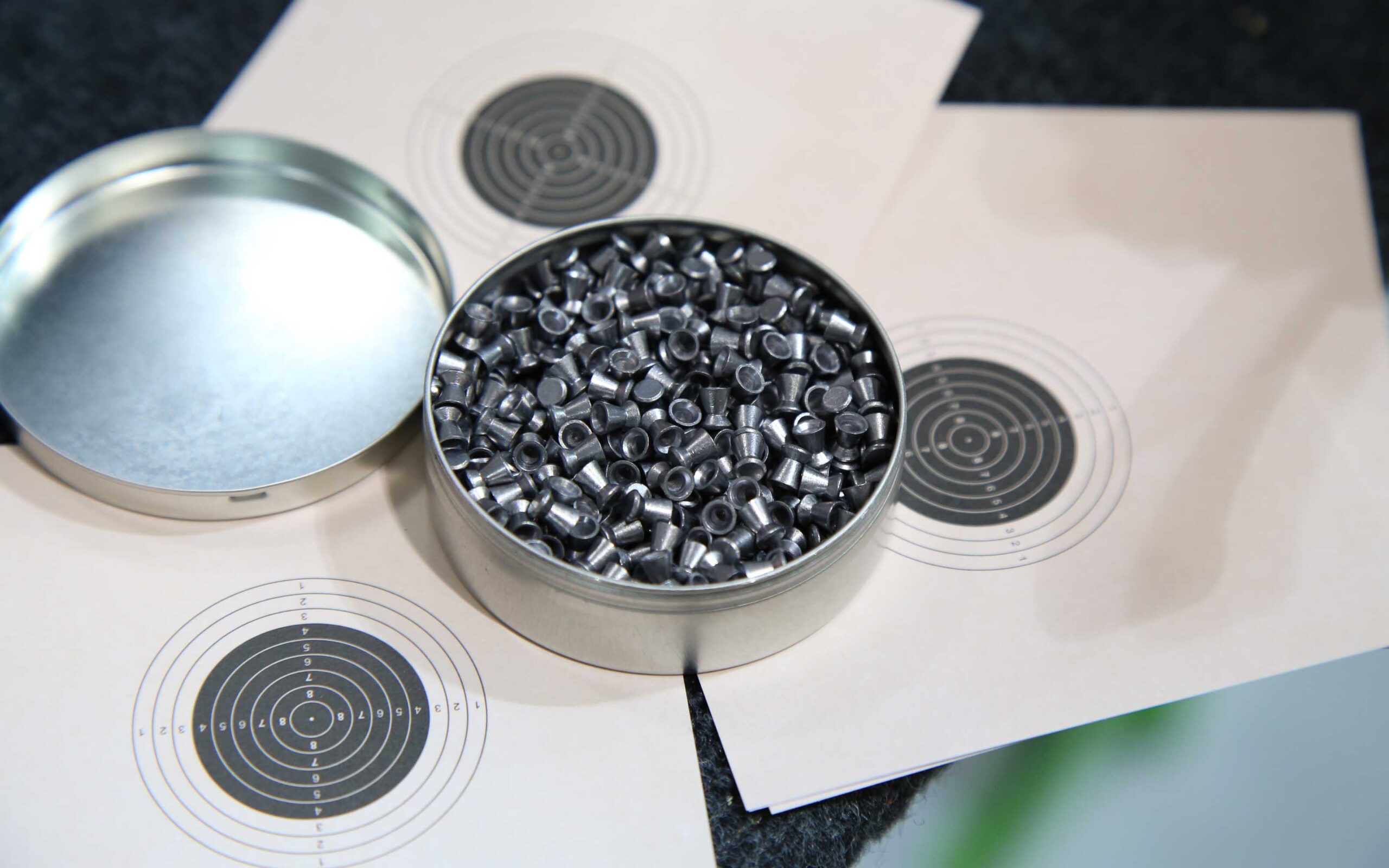
Choosing the right pellet is one of the most important decisions a PCP air rifleshooter can make. The same rifle can deliver dramatically different results depending on pellet type, even when tuned correctly. Pellets are not interchangeable across shooting disciplines because each purpose places different demands on accuracy, energy transfer, and consistency.
This guide explains how to choose the right pellet for hunting, target shooting, and plinking, why pellet design matters, and how to match pellet characteristics to your specific shooting goals.
Why pellet choice matters more than most shooters realize
Pellets are the final point of contact between your rifle and the target. Any variation in pellet weight, shape, or fit directly affects velocity stability, flight behavior, and impact performance.
Unlike firearms, airguns rely heavily on pellet-barrel interaction. Small changes in pellet design can cause large shifts in grouping size, point of impact, and terminal performance.
Selecting pellets based on purpose rather than convenience leads to better accuracy, more predictable results, and a more enjoyable shooting experience.
What makes a pellet suitable for hunting?
Hunting pellets are designed to deliver reliable energy transfer and ethical performance on small game. Accuracy is still critical, but terminal behavior becomes just as important as tight grouping.
Key characteristics of hunting pellets include:
- Heavier weight for retained energy
- Controlled expansion or deformation
- Stable flight at moderate velocities
- Consistent penetration without excessive pass-through
Domed, hollow point, and hybrid hunting pellets are commonly used. Hollow points are effective at close to medium ranges, while domed pellets often perform better at longer distances due to improved ballistic efficiency.
For PCP rifles, hunting pellets typically perform best at velocities between 850 and 950 feet per second, where accuracy and energy balance are optimized.
How target pellets are optimized for precision shooting
Target pellets are built for consistency above all else. These pellets prioritize uniform weight, precise head sizing, and minimal aerodynamic disruption.
Target shooting pellets usually feature:
- Wadcutters or precision domes
- Tight manufacturing tolerances
- Consistent head diameter
- Softer lead alloys for barrel sealing
At shorter distances, wadcutters excel because they cut clean holes in paper targets, making scoring easier. At longer distances, domed match pellets dominate due to superior stability and reduced wind drift.
Target pellets are often lighter than hunting pellets and are tuned to produce extremely low velocity variation rather than maximum energy.
Why plinking pellets are different from precision pellets
Plinking emphasizes volume, affordability, and reliability rather than ultimate accuracy. That does not mean pellet quality does not matter, but expectations should align with purpose.
Good plinking pellets offer:
- Reasonable consistency at lower cost
- Reliable feeding and loading
- Acceptable accuracy for casual distances
- Durability for reactive targets
Plinking pellets are ideal for steel targets, spinners, and general practice. While they may not produce match-grade groups, choosing well-made plinking pellets still reduces frustration and equipment wear.
Avoid ultra-light or poorly formed pellets, as they can cause erratic velocities and inconsistent impact.
How pellet weight affects performance across disciplines
Pellet weight influences velocity, stability, and energy delivery.
General guidelines include:
- Light pellets increase velocity but amplify inconsistencies
- Medium-weight pellets balance speed and control
- Heavy pellets improve stability and penetration
For hunting, heavier pellets often produce better downrange energy and wind resistance. For target shooting, weight consistency matters more than absolute mass. For plinking, moderate weights reduce air consumption and simplify tuning.
Always test pellets with a chronograph to confirm that velocity remains within your rifle’s optimal range.
Why head size and fit matter for PCP rifles
Pellet head size determines how the pellet seals in the barrel. A poor fit causes air leakage, velocity variation, and flyers.
Too loose and the pellet exits inconsistently. Too tight and pressure spikes can destabilize the shot cycle.
Many advanced shooters test multiple head sizes of the same pellet model to find the best match for their barrel. Small differences in fit often produce measurable improvements in group size.
How to test pellets effectively without wasting time or money
Effective pellet testing requires structure.
Follow these steps:
- Clean the barrel before testing
- Shoot from a stable rest
- Test one pellet at a time
- Record velocity and group size
- Allow the barrel to settle between pellet changes
Avoid switching pellets every few shots. Most barrels require several rounds to recondition to a new pellet’s alloy and fit.
Testing at realistic distances for your purpose provides more meaningful results than bench testing alone.
When premium pellets are worth the investment
Premium pellets are worth using when consistency matters, such as hunting or competitive shooting. For casual plinking, mid-tier pellets often provide sufficient performance.
Premium pellets offer:
- Lower weight variation
- Better quality control
- More consistent head sizing
- Reduced flyers
Airfire Tacticalperformance-tests pellets and accessories to help shooters avoid trial-and-error purchases and focus on results.
Frequently Asked Questions
Can one pellet work for hunting, target shooting, and plinking?
Some pellets perform adequately across multiple uses, but no pellet excels at everything. Purpose-specific selection always produces better results.
Are heavier pellets always more accurate?
Not always. Heavier pellets improve stability but require proper tuning. Accuracy depends on how well the pellet matches your rifle and velocity.
Do pellet brands matter?
Yes. Manufacturing consistency varies significantly between brands and even between pellet batches.
How often should I retest pellets?
Retest when changing rifles, tuning settings, or shooting conditions. Seasonal temperature changes can also affect results.
Is pellet sorting necessary?
Sorting improves precision in competition and long-range shooting. For general use, high-quality pellets usually perform well without sorting.